
Is Buying a Home in Orlando Worth It? What You Need to Know First (2026)

Is Buying a Home in Orlando Worth It? What You Need to Know First (2026)
Buying a home in Orlando, FL, is one of those decisions that sounds simple until you start digging into the details. The city gets a lot of attention for its weather, no state income tax, and job growth, but most of the content out there glosses over what it actually costs to own property here in 2026.
This isn’t a listicle from a moving company. This is a real look at the Orlando housing market from someone who works in it every day. We’ll cover what homes are actually selling for, where the smart buys are, what costs catch people off guard, and whether Orlando makes sense as a long-term wealth-building move.
Whether you’re relocating from out of state, renting locally and thinking about making the jump, or exploring Orlando as an investment market, this guide is built to help you make a more informed decision.
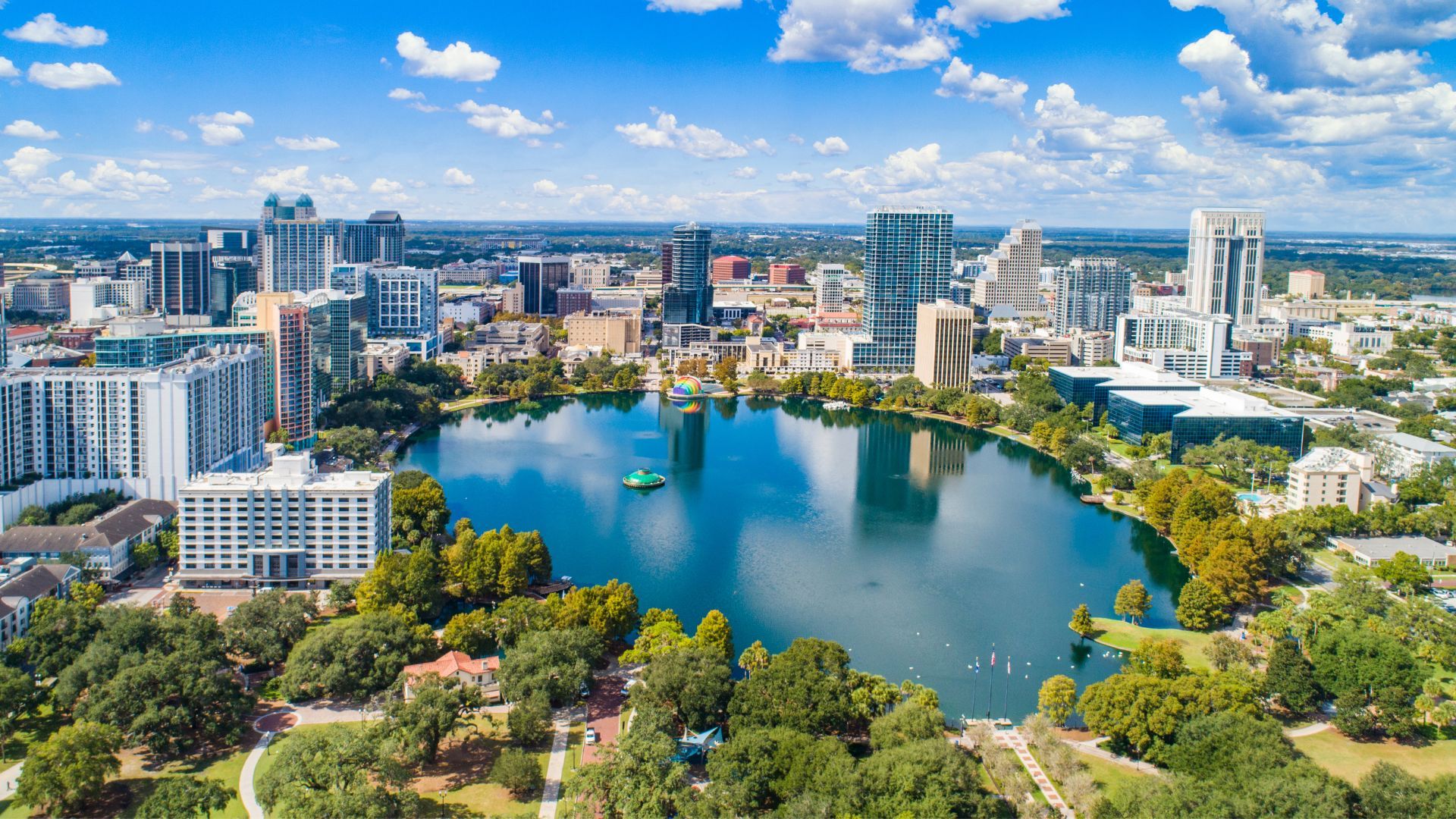
What Does the Orlando Housing Market Look Like Right Now?
Orlando’s housing market in 2026 is more balanced than it’s been in years. The bidding wars from 2021 and 2022 are over. Inventory has climbed to its highest point in more than a decade, and homes are sitting on the market for roughly 70 days on average, according to recent market data from Redfin. That gives buyers time to think, which is something they haven’t had in a while.
The median home price in the city sits around $378,000 as of early 2026, with the broader metro median listing price at $415,000. Year-over-year, prices have softened slightly, with Redfin reporting a 7.9% dip compared to last year in the city proper. That’s not a crash. It’s a correction toward something more sustainable.
Mortgage rates are hovering in the mid-to-high 6% range. Not ideal compared to the pandemic-era lows, but Florida Realtors’ chief economist projects rates could settle closer to 6% as the year progresses. Buyers who are waiting for 4% rates are going to be waiting a long time. The opportunity right now is in the leverage, not the rate.
How Much Does It Really Cost to Own a Home in Orlando?
This is where a lot of people underestimate the Orlando market. The purchase price is only the starting point. Once you factor in insurance, property taxes, HOA fees, and in some communities CDD fees, the monthly number can look very different from what you expected.
Florida’s homeowners insurance rates are among the highest in the country, driven by hurricane risk. While Orlando’s inland location provides some buffer from storm surge, wind and flood coverage are typically sold as separate policies, and premiums have spiked since Hurricane Ian. Depending on the property and location, annual insurance can run anywhere from $2,500 to $4,500 or more.
Property taxes in Orange County average roughly 0.9% to 1.1% of assessed value. On a $400,000 home, that’s around $3,600 to $4,400 per year before any exemptions. The Homestead Exemption is a big deal here. It reduces your taxable value by up to $50,000 and caps annual assessment increases at 3%. If this is your primary residence, file for it during your first year. It saves real money over time.
The takeaway: run your real numbers before you get emotionally attached to a property. The sticker price and the actual cost of ownership are two different things in this market.
Which Orlando Neighborhoods Are Worth Buying In?
Orlando isn’t one market. It’s dozens of micro-markets, and where you buy matters more than when you buy. A few areas that continue to hold value and attract strong buyer interest:
Lake Nona has become one of the most sought-after communities in Central Florida. It anchors around a medical city, tech startups, and modern schools. Homes here tend to price higher, but the long-term appreciation story is strong. If you’re buying for growth and lifestyle, it’s worth the premium.
Winter Park sits just north of downtown and offers tree-lined streets, walkability, and strong schools. It’s one of the more affluent areas, and prices reflect that. But it’s also one of the most stable neighborhoods in the metro.
For buyers looking for value, areas like Oviedo and Winter Garden offer strong school ratings, community feel, and more room in the budget. These suburbs have seen consistent demand from families relocating from out of state.
College Park and Baldwin Park give you closer proximity to downtown with distinct neighborhood character. Both have held their value well, and both attract buyers who want walkability without the suburban sprawl.
The point is, every neighborhood has its own price range, school quality, commute profile, and risk level. Working with someone who knows the street-level differences is the only way to avoid overpaying or landing in the wrong spot.
What Are the Hidden Costs of Homeownership in Orlando?
Beyond insurance and taxes, a few expenses consistently surprise Orlando buyers.
Toll roads are everywhere. If you’re commuting anywhere in the metro, you’ll need a SunPass transponder. Without one, you’ll get invoices by mail at a higher per-toll rate. Monthly toll costs can add up to $100 to $200+ depending on your commute.
Climate maintenance is another ongoing cost. Air conditioning runs nearly year-round, and the humidity puts extra wear on roofs, exterior paint, and landscaping. Budget for higher utility bills than you’re probably used to, especially during the summer months.
CDD fees deserve special attention. Community Development District fees are common in newer Orlando developments, and they’re separate from your HOA. They fund infrastructure like roads, water management, and amenities that the developer built. These can range from $1,500 to $4,000+ per year, and unlike HOA fees, they’re assessed on your tax bill. Ask about them upfront. They’re not always obvious until closing.
Is Orlando a Good Market for Building Long-Term Wealth?
If you’re thinking about Orlando purely as a short-term flip market, 2026 probably isn’t the year for that. Price appreciation has moderated, and the days of buying and seeing 15% gains in 12 months are behind us for now.
But as a long-term play, Orlando still makes a strong case. The metro area continues to grow. Florida ranked as the number two U-Haul destination state in 2025, and Central Florida keeps absorbing a significant share of that migration. Population growth drives housing demand, and housing demand supports property values over time.
The job market extends well beyond tourism. Healthcare, aerospace, tech, and logistics all have a meaningful presence here. That economic diversity gives the market a wider foundation than a lot of people realize.
No state income tax is a real financial advantage, especially for buyers relocating from high-tax states. That savings compounds over time and can meaningfully accelerate your ability to build equity, invest, or pay down your mortgage faster.
Orlando won’t hand you a home run overnight. But for buyers who are patient, strategic about location, and realistic about costs, the wealth-building potential is solid.
What Should First-Time Buyers Know About Buying in Orlando?
If this is your first time buying, Orlando’s current market actually works in your favor. Inventory is up, competition is more manageable, and you have time to make thoughtful decisions instead of scrambling to outbid five other offers.
Get pre-approved before you start touring homes. In a market like Orlando, a pre-approval letter signals to sellers that you’re serious, and it helps you avoid falling in love with something outside your budget.
Look into assistance programs. The Florida Hometown Heroes program provides down payment assistance, often as a 0% interest loan, for eligible first-time buyers. Orange County also has local programs worth exploring. Your lender should be able to walk you through what’s available.
Don’t skip the 4-Point Inspection. In Florida, most insurance companies require it for older homes. It covers the roof, electrical, plumbing, and HVAC systems. Think of it as your baseline for understanding what you’re actually buying.
And find an agent who knows the Orlando market at the neighborhood level. National portals like Zillow and Redfin are a starting point, but they don’t replace someone who can tell you the difference between two streets in the same zip code.

The Bottom Line
Orlando in 2026 isn’t the frenzied market it was a few years ago, and that’s actually a good thing. Buyers have more options, more time, and more leverage than they’ve had in years. The fundamentals of the market, including population growth, economic diversity, and tax advantages, are still intact.
But it’s not a market where you can afford to wing it. Insurance costs, hidden fees, and neighborhood-level differences all matter. The people who do well here are the ones who come in with realistic expectations and a clear plan.
We help you find a home, build wealth, and achieve freedom. If you’re thinking about making a move in Orlando, let’s have a conversation about what that looks like for your specific situation.
Frequently Asked Questions
Is now a good time to buy a house in Orlando?
For many buyers, yes. Orlando’s market has shifted toward more balanced conditions, with increased inventory and stabilizing prices. Homes are spending around 70 days on the market, giving buyers more negotiating power than they’ve had since before the pandemic. If you’re financially prepared and plan to hold the property for at least five to seven years, the current window offers solid entry points. Rates are higher than the pandemic lows, but waiting for perfect conditions rarely works out.
How much do you need to make to buy a home in Orlando?
A single buyer typically needs a household income of at least $75,000 to $85,000 to comfortably afford a median-priced home in Orlando, depending on debt load, down payment, and insurance costs. The median household income in the metro is roughly $85,700. Down payment assistance programs can help bridge the gap for buyers who qualify. Always run your own numbers with a local lender before committing.
Is Orlando cheaper than Miami or Tampa for homebuyers?
Yes, and it’s not close. Miami’s median home price exceeds $600,000, and Tampa runs higher than Orlando as well. Orlando’s median sits around $378,000 in the city and $415,000 in the broader metro. You also avoid the coastal insurance premiums that hit Miami and Tampa buyers harder due to storm surge exposure. For the combination of job access, lifestyle, and price point, Orlando offers more room in the budget than either of those markets.
What are property taxes and insurance like in Orlando?
Property taxes in Orange County typically run 0.9% to 1.1% of assessed value. On a $400,000 home, that’s roughly $3,600 to $4,400 per year before exemptions. The Homestead Exemption can reduce your taxable value by up to $50,000. Insurance is the bigger variable. Annual premiums for homeowners insurance in the Orlando area range from about $2,500 to $4,500, depending on the property, age of the roof, and flood zone. Always get insurance quotes before you finalize a purchase.
Are home prices in Orlando going up or down in 2026?
Prices have softened slightly from their peak, but forecasts point toward stabilization with modest appreciation over the next 12 months. Zillow projects a roughly 1.2% gain for the Orlando-Kissimmee metro area. This isn’t the double-digit growth of 2021, but it’s a sign the market is finding a sustainable floor. Well-priced homes in desirable neighborhoods continue to attract serious buyers and hold their value.
Categories
Recent Posts










“Making real estate simple, fun and profitable! ”