
Best Home Upgrades That Increase Value in Central Florida
Home Upgrades That Actually Increase Value in Central Florida
The best home upgrades that increase value in Central Florida aren't always the ones you'd expect. I see homeowners pour $80,000 into a kitchen overhaul and recover half of it at closing. Then I see someone spend $4,500 on a new garage door and more than double their money. The difference comes down to knowing what Central Florida buyers actually care about and what they don't.
I'm Tyler Gibson with the GPG team, and I work with homeowners across Central Florida who are trying to figure out where their renovation dollars go the furthest. Whether you're getting ready to list, building long-term equity, or just want to enjoy your home more while you're in it, this guide breaks down what works, what doesn't, and where to start.
What Upgrades Add the Most Value to a Central Florida Home?
The upgrades that consistently deliver the strongest return on investment are exterior improvements and targeted interior updates. According to the 2025 Cost vs. Value Report from Zonda, the top three ROI projects nationally are garage door replacement (268% ROI), steel entry door replacement (216% ROI), and manufactured stone veneer (208% ROI). All three are exterior, and all three cost under $5,000.
That pattern holds in Central Florida too. Buyers form their opinion of your home before they walk through the door. A fresh coat of exterior paint, updated landscaping, and clean hardscaping go a long way. In a market where homes sit in direct sun and humidity year-round, worn exteriors stand out fast.
Inside, minor updates consistently outperform major overhauls. Refinishing wood floors, swapping out light fixtures, painting in neutral tones, and replacing dated hardware are all low-cost moves that shift how a home feels the moment someone walks in.
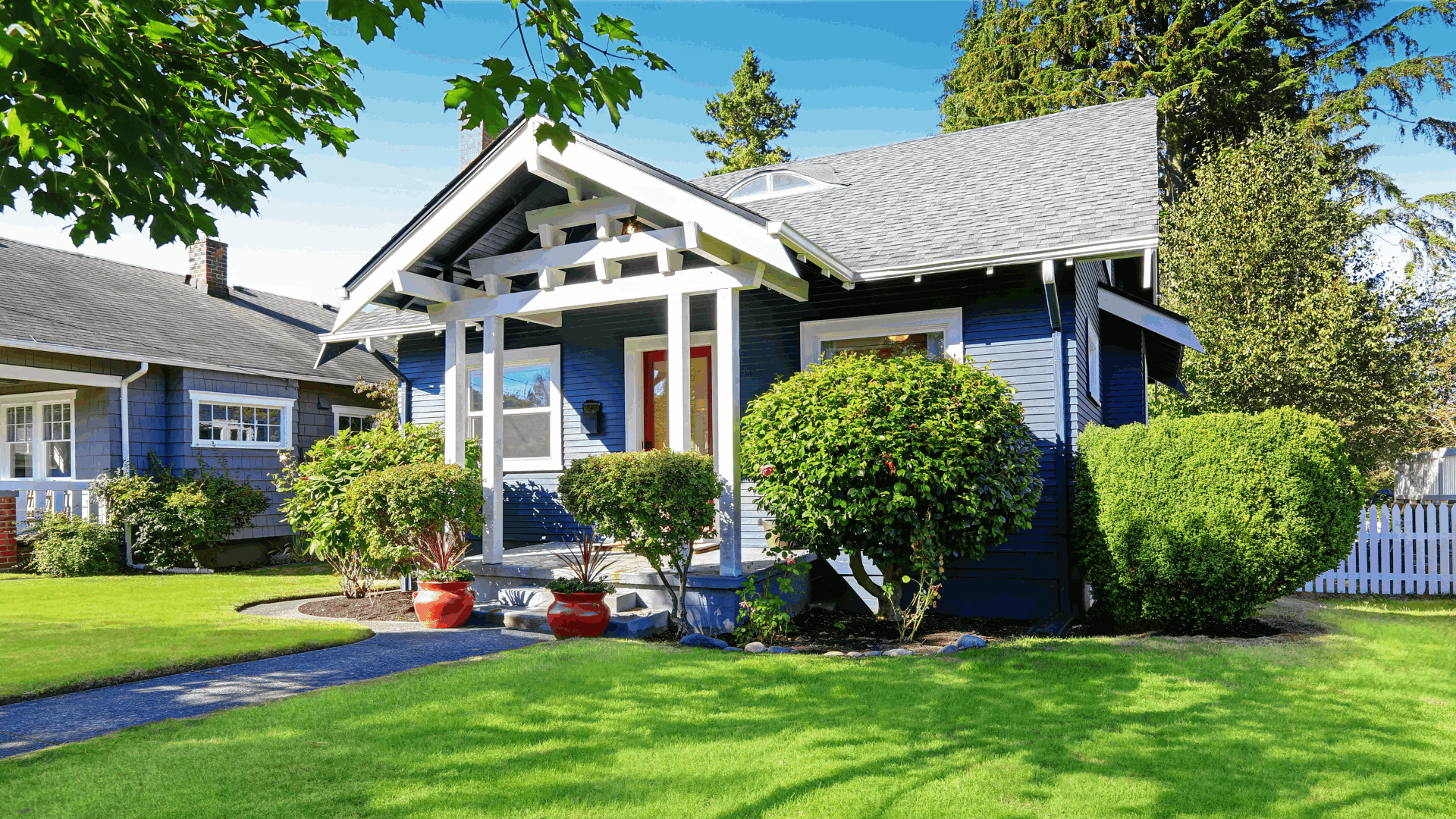
The key concept to understand is the "neighborhood ceiling." If every home on your street sells for $350,000, spending $80,000 on renovations to push yours to $400,000 probably won't work. Your upgrades need to match what your market will actually reward.
Does a Kitchen Remodel Pay Off in Central Florida?
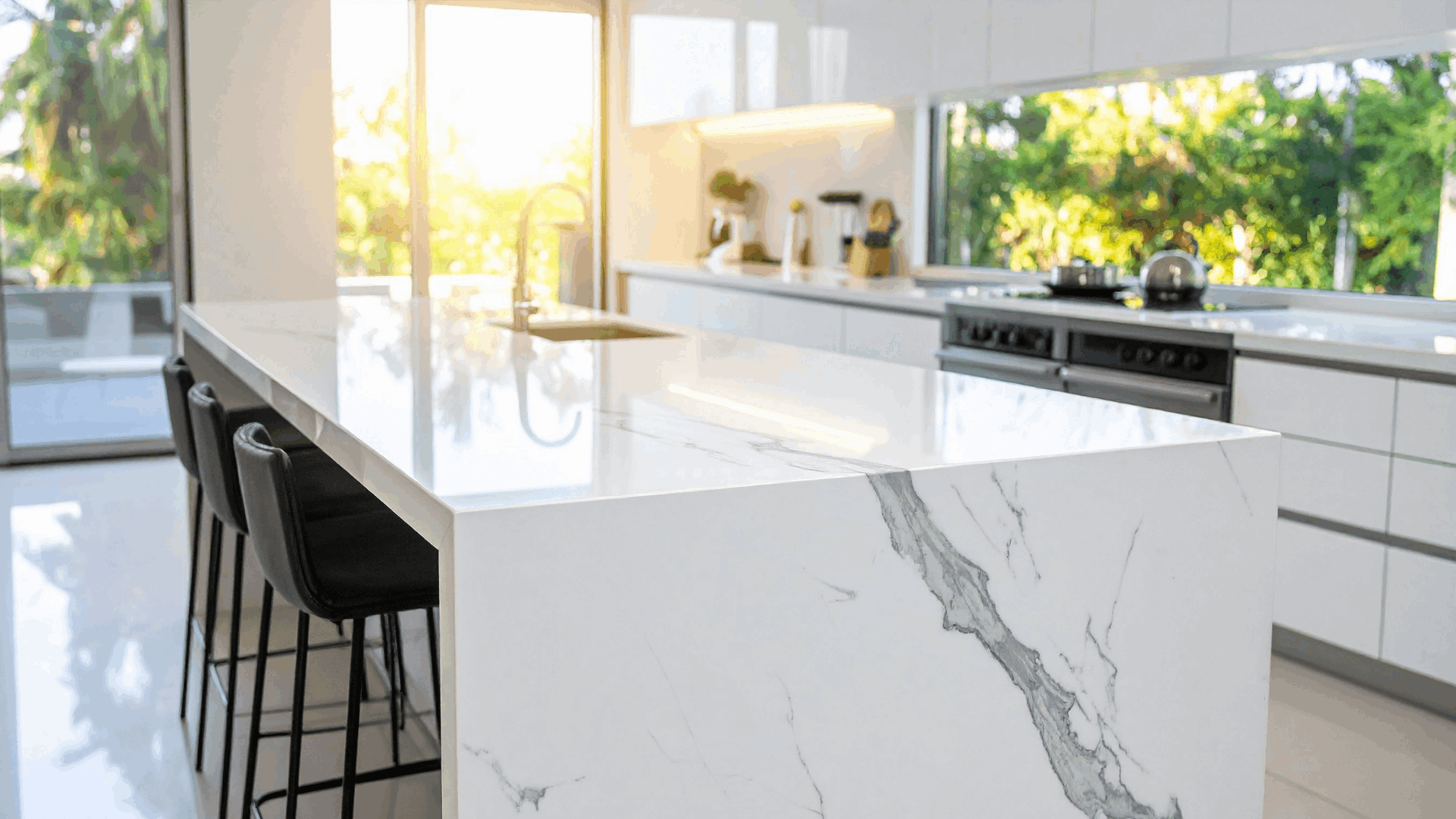
A minor kitchen remodel is one of the best interior investments you can make. The 2025 Cost vs. Value Report shows a 113% ROI for minor kitchen remodels, up from 96% in 2024. That's the highest-performing interior project in the report.
The word "minor" is doing a lot of work in that sentence. We're talking about refacing or painting cabinets, replacing countertops with quartz or granite, upgrading appliances, adding a tile backsplash, and improving lighting. You're refreshing the space, not gutting it.
A major kitchen remodel, on the other hand, returns roughly 50% or less of what you spend. The moment you start moving plumbing, gas lines, or tearing out walls, costs climb fast and the return drops. In Central Florida, where humidity demands materials that hold up (no warping cabinets, no porous countertops that absorb moisture), material choices matter more than in drier climates.
If your kitchen was updated in the last five to eight years, your money is probably better spent elsewhere. But if you're still working with laminate counters from 2005 and appliances that match, a focused refresh can change how buyers see your entire home.
Bathroom Updates That Buyers Actually Notice
Updated bathrooms consistently rank as the second most sought-after feature for buyers, and the ROI supports it. A mid-range bathroom remodel returns around 80% of its cost according to the 2025 Cost vs. Value data, up 6% from the prior year.
You don't need a full gut job to make an impression. Replacing faucets, mirrors, lighting, and hardware can give a bathroom a completely different feel for a few hundred dollars. If the budget allows, a new vanity, updated tile, and a walk-in shower upgrade take it further.
In Florida specifically, moisture-resistant materials aren't optional. Tile and luxury vinyl plank handle humidity far better than carpet or certain hardwoods. Proper ventilation matters too. Buyers in Central Florida know what mold looks like, and a bathroom that feels damp or poorly ventilated raises red flags immediately.
One thing I'd push back on: don't over-invest in a spa-like master bath if you're in a $300,000 neighborhood. Match the finish level to the price tier. A clean, modern bathroom beats an overspent one in the wrong market every time.
Do Hurricane Impact Windows Increase Home Value in Florida?
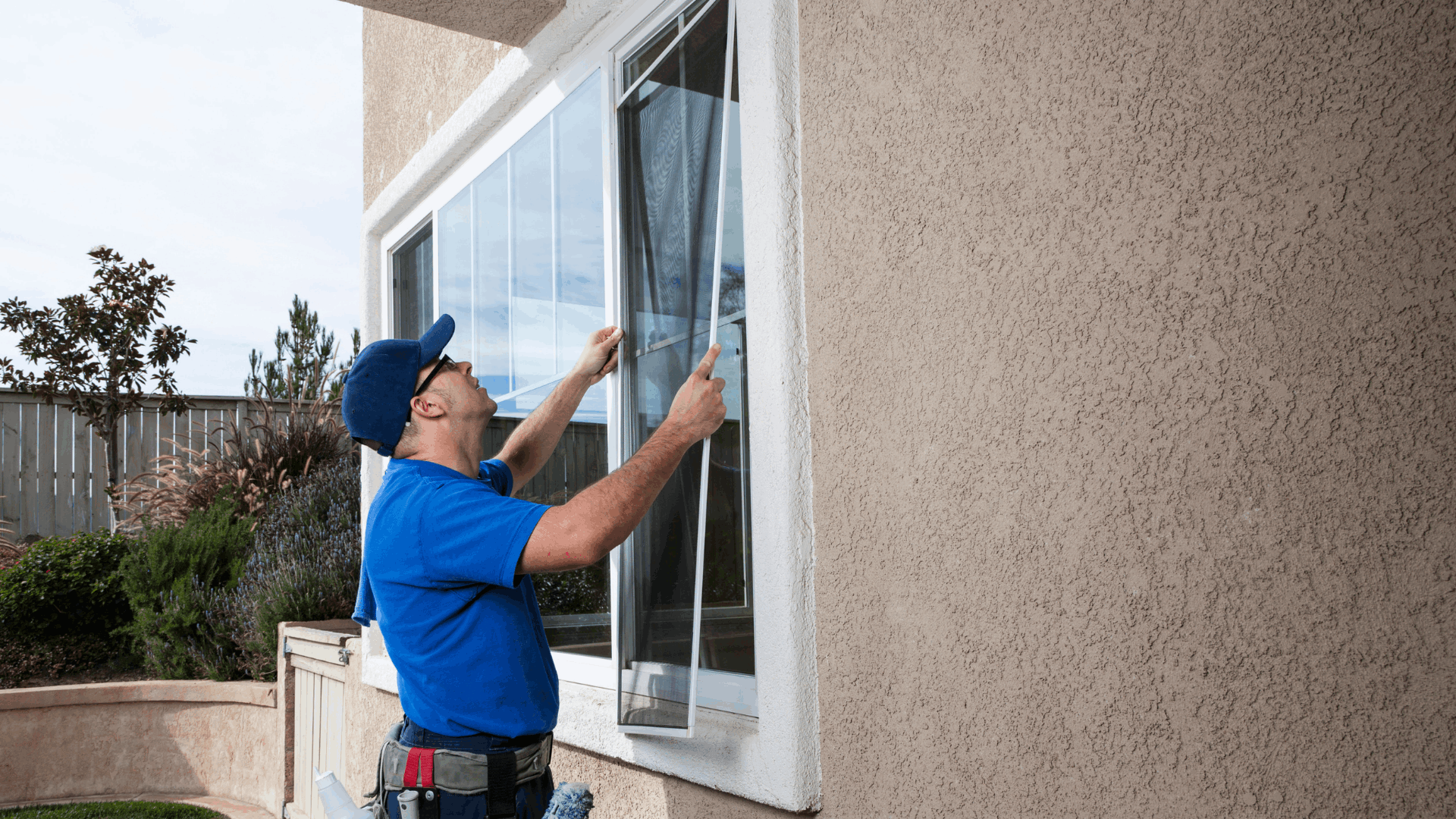
Yes, and in Central Florida this is one of the smartest upgrades you can make. Impact windows serve triple duty: they protect your home during storms, lower your energy bills, and can reduce your homeowners insurance premiums.
Florida law requires insurance companies to offer premium discounts for verified wind mitigation features, and impact windows qualify for some of the largest available credits. According to published carrier data, homeowners typically see 10 to 30 percent off the windstorm portion of their premiums, which translates to roughly $240 to $900 per year on a $3,000 policy. Over 10 years, those savings add up.
Florida also offers the My Safe Florida Home program, which provides free wind mitigation inspections and matching grants up to $10,000 for qualifying upgrades like impact windows and doors.
Here's the tradeoff: impact windows aren't cheap. A full-house replacement can run $15,000 to $30,000 depending on the size of the home. But when you factor in the insurance savings, energy efficiency gains, and the resale appeal to buyers who don't want to deal with shutters, the math often works out over time.
One important detail: your discount is determined by the weakest opening in your home. If you replace 19 out of 20 windows but leave one unprotected, you won't qualify for the top-tier credit. It's all or nothing.
Why Outdoor Living Spaces Matter More Here Than Anywhere
In Central Florida, outdoor space isn't a bonus feature. It's an expectation. Screened lanais, covered patios, and outdoor kitchens extend your home's usable square footage without the cost of a full interior addition. Florida home trends data consistently shows outdoor living features near the top of buyer wish lists in the state.
Screened enclosures are particularly important here. They make outdoor time practical even during mosquito season, block UV exposure, and give buyers the outdoor lifestyle they're looking for without the bugs and the heat beating down on them directly. Buyers relocating from out of state often list a screened lanai as a must-have.
The numbers back this up. According to the National Association of Realtors, outdoor kitchen upgrades can recover 100% of their cost, and landscape maintenance recovers over 100%. Pools are a different calculation. They can increase home value by 5 to 8 percent in Central Florida, but they're expensive to install and maintain. If your neighborhood expects a pool, not having one hurts you. If pools aren't common on your street, adding one probably won't give you the return you're hoping for.
What Is the Biggest Red Flag in a Home Inspection?
In Central Florida, hidden water intrusion is the single biggest red flag. Roof leaks, plumbing failures, and moisture seeping through stucco or slab can cause structural damage, mold, and insurance headaches that cost tens of thousands to fix.
Foundation issues are a close second. Cracks wider than a quarter-inch, sloping floors, or doors that won't close properly all signal structural problems. Foundation repairs can range from $5,000 to $40,000 depending on the severity, and buyers will either walk away or demand a steep price reduction.
Florida's heat and humidity make these issues worse over time. A small leak that might sit unnoticed for months in a dry climate can turn into a mold problem in weeks here. That's why a thorough home inspection isn't optional. It's protection.
If you're on the selling side, addressing these issues before listing is almost always worth it. A home inspection report full of moisture damage or foundation concerns will scare off more buyers than a dated kitchen ever will.
Upgrades That Hurt Your Home's Value (or Waste Your Money)
Not every renovation adds value, and some actively hurt you at resale. Here are the most common mistakes I see Central Florida homeowners make.
Over-improving for the neighborhood is the biggest one. If you put $50,000 into a home on a street where nothing sells above $325,000, you're not getting that money back. Match your upgrades to your market.
Converting a garage into a living space sounds practical until buyers realize they have nowhere to park or store anything. That conversion almost always reduces value. The same goes for reducing bedroom count. Turning a four-bedroom home into a three-bedroom with a bigger master suite might feel luxurious, but buyers search by bedroom count, and you just shrunk your audience.
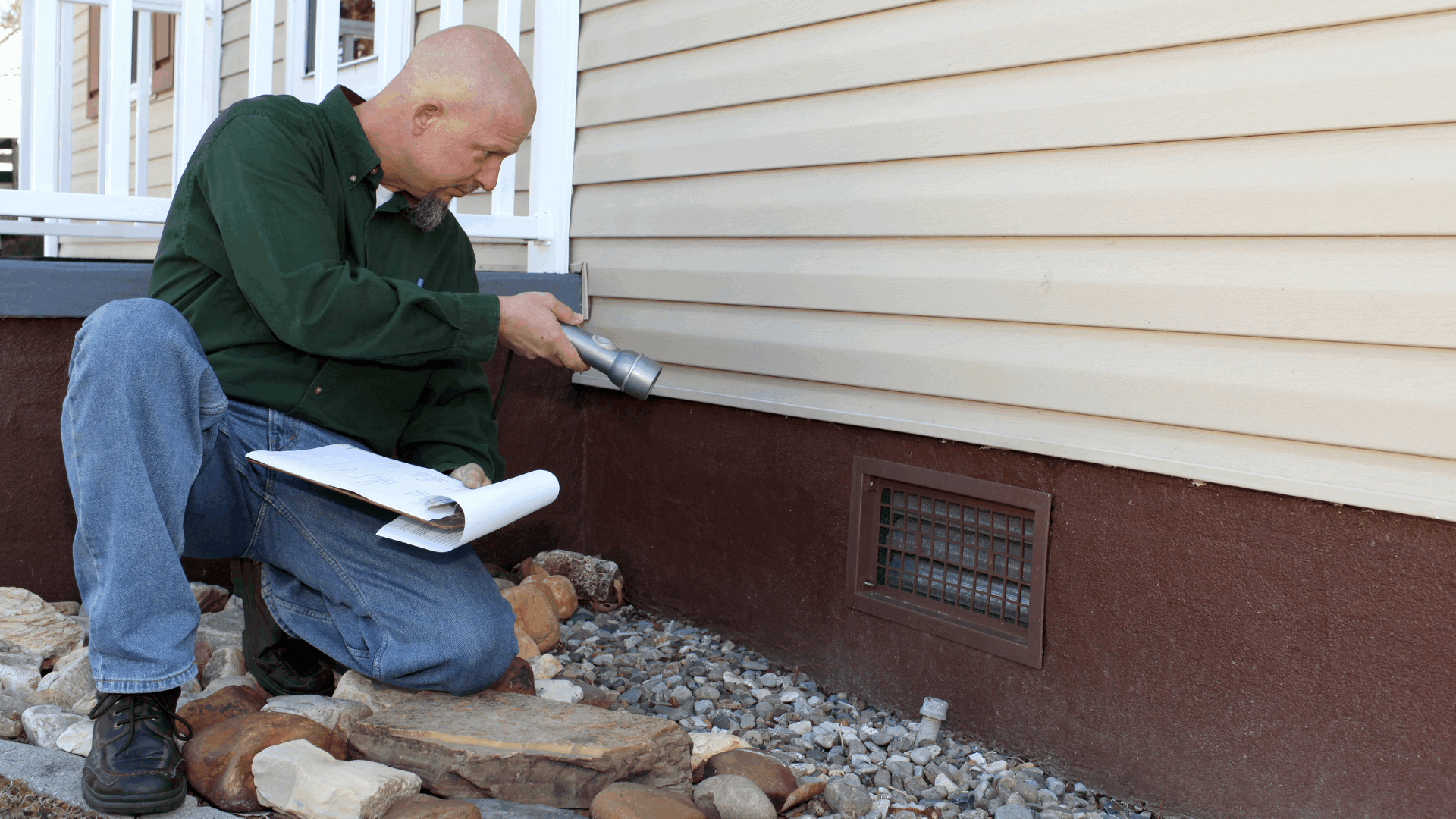
Bad DIY work is another value killer. Sloppy tile jobs, uneven flooring, or electrical work done without permits don't just look bad. They create code violations and safety concerns that show up on inspections. If a project requires permits, get them. Unpermitted work can tank a deal or reduce your offer price.
Highly personal upgrades like themed rooms, bold paint colors, or niche landscaping features (that koi pond you always wanted) rarely appeal to the next buyer. Keep it neutral if resale is part of the plan.
Where to Start If You Have a Limited Budget
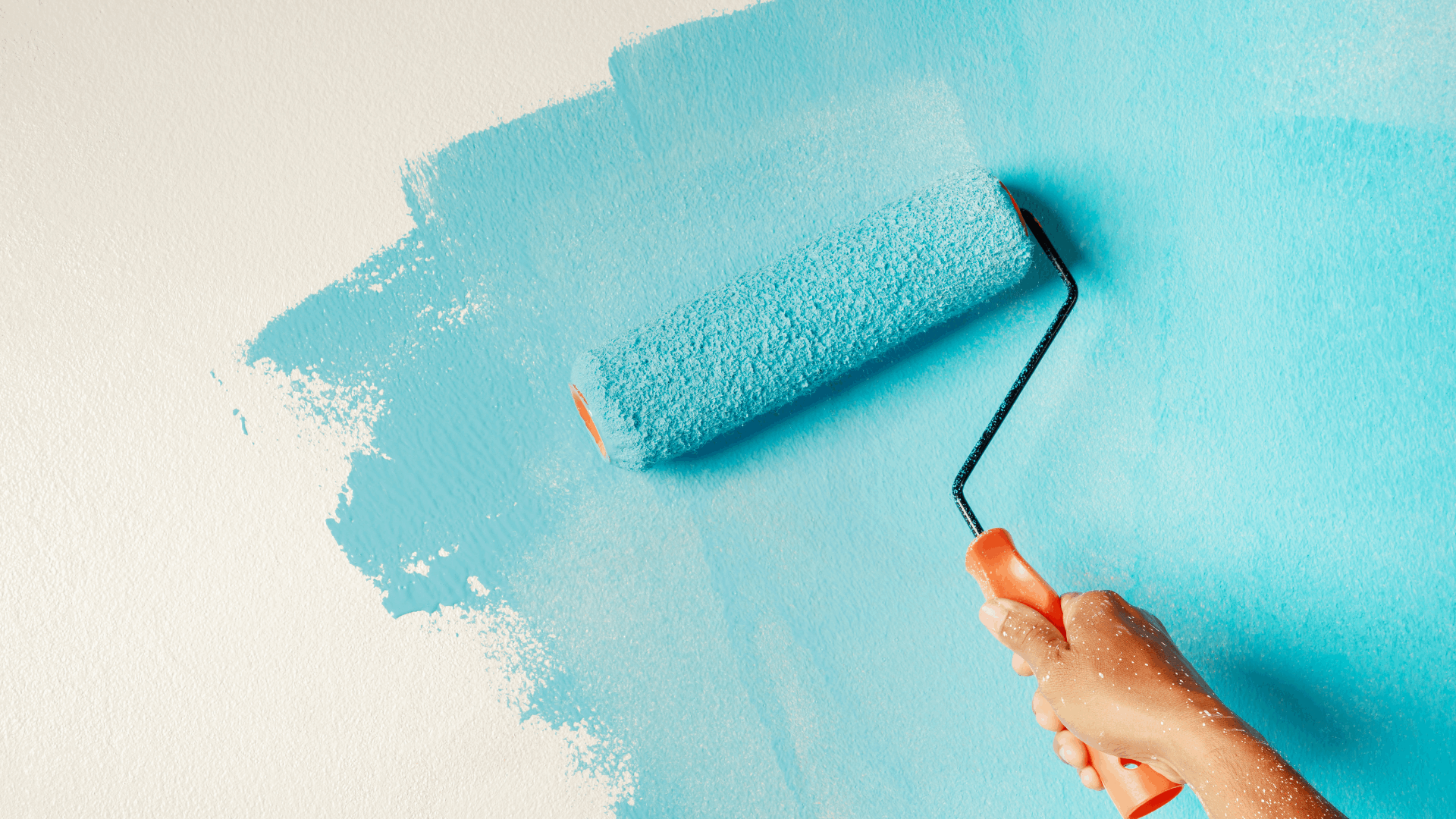
If you've got $5,000 or less, focus on cosmetic impact. Fresh interior and exterior paint in neutral tones is the single highest-impact, lowest-cost upgrade you can make. Add updated light fixtures, new cabinet hardware, and a deep clean of the entire property. These small moves change how a home photographs and how it feels during a showing.
If you've got $5,000 to $15,000, look at a minor kitchen refresh (new countertops, painted cabinets, updated appliances), bathroom fixture and vanity swaps, and curb appeal upgrades like landscaping, a new front door, or a garage door replacement. That garage door replacement at around $4,500 consistently delivers the highest ROI of any single project.
Above $15,000, you can start thinking about impact windows, screened enclosures, or a more comprehensive kitchen remodel. At this level, get at least two or three contractor quotes and talk to a local real estate professional about what your specific market will reward before you commit.
The 30% rule is a good guardrail here: don't spend more than 30% of your home's current value on total renovations. For a $300,000 home, that means keeping your renovation budget under $90,000. Go beyond that, and you're likely over-improving.
Bottom Line
The upgrades that pay off in Central Florida come down to a few principles: match your improvements to your market, prioritize what buyers actually see and feel, and don't ignore the Florida-specific factors like hurricane protection, moisture resistance, and outdoor living.
Not every dollar you spend on your home comes back at closing. But the right upgrades, done at the right scale, can make your home more enjoyable to live in now and more competitive when it's time to sell.
If you want help figuring out which upgrades make the most sense for your specific home and neighborhood, reach out to me or someone on the GPG team. We'll give you an honest read on what your market will actually reward.
Frequently Asked Questions
At what age do homes start losing value?
There's no single age where a home's value drops off a cliff. Most U.S. homes are between 42 and 51 years old, and many hold their value well with proper maintenance. Structures like roofs typically need replacement every 20 to 30 years, and major systems like HVAC, plumbing, and electrical start showing their age around the same time. Homes depreciate physically at roughly 1 to 1.2 percent per year on average, but strategic upgrades can offset that decline. A well-maintained 50-year-old home in a strong Central Florida neighborhood can hold its value as well as a newer build if the bones are solid and the finishes are current.
Should I renovate before selling or sell as-is?
It depends on the condition of your home and your budget. If your home has major issues like a failing roof, outdated electrical, or visible water damage, addressing those before listing will almost always net you more than selling as-is. For cosmetic updates, focus on the high-ROI, low-cost moves: paint, landscaping, and fixture upgrades. If the home needs extensive work and you don't have the capital, selling as-is to an investor or pricing accordingly can still be a viable path. Talk to a local agent before deciding, because the right answer depends on your specific market and timeline.
Do impact windows lower homeowners insurance in Florida?
Yes. Florida law requires insurers to offer premium discounts for verified wind mitigation features, and impact windows qualify for significant credits. Most homeowners see a 10 to 30 percent reduction on the windstorm portion of their premium. To qualify, all exterior openings must be protected, and your home must pass a wind mitigation inspection documented on Florida's official OIR-B1-1802 form. The inspection is valid for five years.
Does adding a pool increase home value in Central Florida?
It can, but it's not guaranteed. Pools can add 5 to 8 percent to a home's value in Central Florida, and in some markets listings with pools sell for significantly more. The catch is that pools are expensive to install ($30,000 to $60,000 or more) and costly to maintain. If pools are standard in your neighborhood, not having one can actually work against you. If they're uncommon on your street, adding one might not deliver the return you expect. Match the decision to your neighborhood.
What flooring is best for Florida's humidity?
Tile, luxury vinyl plank (LVP), and engineered hardwood are the top choices for Central Florida homes. All three resist humidity, hold up to daily wear, and give homes a clean, modern look that photographs well. If you still have carpet in main living areas, replacing it with one of these options is one of the fastest ways to modernize your home and appeal to today's buyers. Avoid solid hardwood in high-moisture areas, as it can warp and buckle in Florida's climate.
Categories
Recent Posts










“Making real estate simple, fun and profitable! ”