
How to Price Your Orlando Home So Buyers Take It Seriously

How to Price Your Orlando Home So Buyers Take It Seriously
How to price your Orlando home without scaring buyers away comes down to one thing: matching your list price to what buyers are actually seeing in the market right now.
A lot of sellers want to “test the market.”
That sounds harmless.
But in real estate, the first price usually sets the tone for everything that follows.
If the price feels too high, buyers may skip the listing. If the home sits too long, they start asking what is wrong with it. If you reduce later, some buyers wait to see if you will reduce again.
According to the Orlando Regional REALTOR® Association, Orlando homes spent an average of 70 days on the market in April 2026, with inventory at 11,418 homes and 4.50 months of supply. ORRA notes that six months of supply is generally considered balanced, so Orlando still has demand, but buyers have more choices than they did during the fastest parts of the market.
I’m Tyler Gibson with the GPG Team. I help Orlando homeowners think through pricing, preparation, and positioning before the listing goes live, because most pricing mistakes are easier to prevent than fix later.
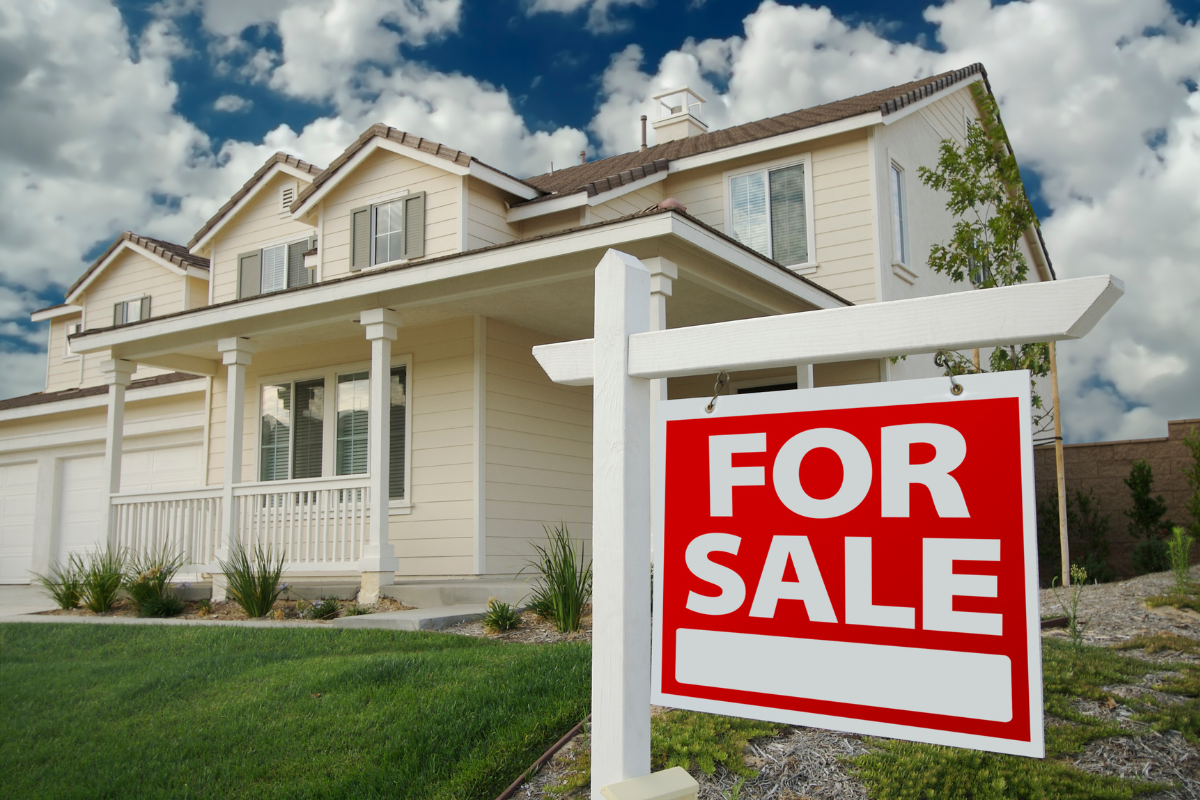
How do you price your Orlando home without scaring buyers away?
You price your Orlando home without scaring buyers away by using recent sold comps, active competition, your home’s condition, and current buyer behavior. The goal is not to pick the highest number possible. The goal is to choose a price that makes serious buyers feel the home is worth seeing.
That difference matters.
Buyers today are doing a lot of comparison before they ever book a showing. They are looking at the price, photos, days on market, monthly payment, insurance concerns, roof age, HOA fees, and nearby alternatives.
A smart pricing strategy should answer these questions:
- What have similar homes actually sold for?
- What homes are competing with yours right now?
- How does your condition compare?
- What buyer search brackets does your price fall into?
- How fast are similar homes moving?
- What is your timeline?
- How much negotiating room do you realistically have?
That is the foundation.
Not what the neighbor says. Not what an online estimate says. Not what you hope to net.
The market does not care about hope. It responds to value.
Your first list price shapes the entire buyer reaction
Your first list price matters because it controls how buyers judge the home when it is freshest online. If the price feels reasonable, buyers are more likely to click, save, schedule, and write an offer. If the price feels stretched, they may never take the next step.
This is where sellers can lose momentum early.
The first week or two of a listing usually gets the most attention. Buyers who have been watching the market see the new listing. Agents send it to clients. Search alerts go out. That early exposure is valuable.
But that exposure only helps if the price makes sense.
Recent national reporting from Realtor.com via the New York Post showed that sellers have been shifting toward more realistic initial pricing instead of relying on later price cuts after a home sits. That matters because buyers often respond better to a fair launch price than a listing that starts high and has to chase the market down.
A clean launch creates confidence.
An overpriced launch creates hesitation.
And hesitation is expensive.

What happens if you overprice your Orlando home?
If you overprice your Orlando home, you can reduce showings, increase days on market, weaken your negotiating position, and create appraisal risk. Buyers may assume you are unrealistic, or they may wait for a price reduction instead of making an offer.
Overpricing usually does not feel like a mistake right away.
At first, the listing still looks nice. It may get online views. Friends may say the house is beautiful. A few buyers may even come through.
But the real question is not whether people are looking.
The question is whether serious buyers are acting.
Overpricing can lead to:
- Fewer showing requests
- More buyer hesitation
- Longer days on market
- More lowball offers
- More aggressive inspection negotiations
- Price reductions
- Appraisal problems
- A stale listing
Business Insider reported that in September 2025, more than 84,000 U.S. sellers removed listings from the market, up 28% from the prior year, as many sellers resisted lowering prices despite weaker demand. The same report noted that many active listings were considered stale after sitting without a sale.
That is the risk.
Sometimes the market does not reject the house.
It rejects the price.
Recent sold comps matter more than active asking prices
Recent sold comps matter more than active asking prices because sold homes show what buyers actually paid. Active listings only show what other sellers are hoping to get.
That is a big difference.
A home listed at $525,000 is not proof that your home is worth $525,000. It might sell for that. It might reduce. It might sit. It might expire.
Sold data is stronger because it reflects completed buyer decisions.
When looking at comparable sales, you want to compare homes that are similar in:
- Location
- Size
- Bedroom and bathroom count
- Lot size
- Age
- Condition
- Upgrades
- Garage or parking
- Pool or outdoor features
- School zoning or neighborhood appeal
- Sale timing
Kiplinger explains that appraisers evaluate fair market value by looking at similar recently sold homes and adjusting for differences such as condition, location, square footage, amenities, and sale timing.
That is why pricing is not just “three homes sold nearby, so we average them.”
A good pricing review asks: which homes are truly comparable, and what adjustments need to be made?
A renovated home with a newer roof is not the same as an original-condition home with deferred maintenance.
Same neighborhood does not always mean same value.
Should you use online home value estimates to price your house?
Online home value estimates can be useful as a starting point, but they should not be the only basis for pricing your Orlando home. They may not fully account for condition, upgrades, layout, lot quality, roof age, insurance concerns, or buyer demand on your specific street.
Online estimates are popular because they are fast.
But fast does not always mean complete.
Investopedia explains that Zillow’s Zestimate can be useful as a starting point, but it is not the same as an appraisal or a local pricing review.
That is the important part.
A computer may know public records. It may see prior sales. It may see broad market movement.
But it does not always know that your home backs up to a busy road. Or that your kitchen was remodeled. Or that the roof is near the end of its useful life. Or that a nearly identical home down the street had seller credits that affected the final number.
Use online estimates as one input.
Do not let them be the whole strategy.
Buyer search brackets can make or break visibility
Buyer search brackets matter because most buyers shop online using price filters. If your home is priced just above a common search threshold, you may miss buyers who would have considered it.
This is one of the most overlooked pricing details.
A buyer may search from $400,000 to $450,000. Another may search up to $500,000. If your home is listed at $505,000, you might miss buyers who capped their search at $500,000, even if they could have stretched slightly for the right house.
That does not mean every home should be priced below a round number.
It means the pricing conversation should include visibility.
Common pricing thresholds can include:
- $300,000
- $350,000
- $400,000
- $450,000
- $500,000
- $550,000
- $600,000
- $750,000
- $1,000,000
A home listed at $499,000 may appear in more searches than one listed at $505,000. But if the home is clearly worth more, underpricing can also create problems.
That is the tradeoff.
The right price has to balance visibility, value, and negotiation strategy.
How does the Orlando market affect your pricing strategy?
The Orlando market affects your pricing strategy because buyers are comparing your home against more available inventory than they had a few years ago. Your price has to reflect today’s supply, days on market, buyer affordability, and neighborhood-level competition.
According to the Orlando Regional REALTOR® Association, Orlando had 4,066 new listings in April 2026, up from 3,946 in March. More listings means buyers may have more choices, even if Orlando is not fully balanced yet.
That does not mean every seller needs to price low.
It means every seller needs to price with context.
For example, a well-updated home in Lake Nona may behave differently than a fixer in Conway. A pool home in Dr. Phillips may attract a different buyer than a condo near Downtown Orlando. A home near new construction may compete with builder incentives, while an older home in Winter Park may compete on location and character.
Orlando is not one simple market.
Pricing depends on the exact property and the exact buyer pool.
This is why neighborhood-level strategy matters more than broad headlines.
Condition, presentation, and pricing have to work together
Condition, presentation, and pricing have to work together because buyers judge the total package. If the home is priced near the top of the market, buyers expect it to look and feel like a top-of-market home.
This is where sellers sometimes get frustrated.
They say, “But the home down the street sold for more.”
Maybe it did.
But was it updated? Did it have a newer roof? Was the kitchen better? Did it have stronger photos? Was it staged better? Did it have fewer inspection concerns? Did it sell when inventory was lower?
Buyers compare.
They may be willing to pay a premium, but they need a reason.
A higher list price usually needs to be supported by:
- Strong condition
- Clean presentation
- Professional photography
- Clear listing details
- Easy showing access
- Strong location
- Recent comparable sales
- Buyer confidence
If the home needs work, the price has to acknowledge that.
You do not have to renovate everything before listing.
But if buyers can see the work, they will price it in.
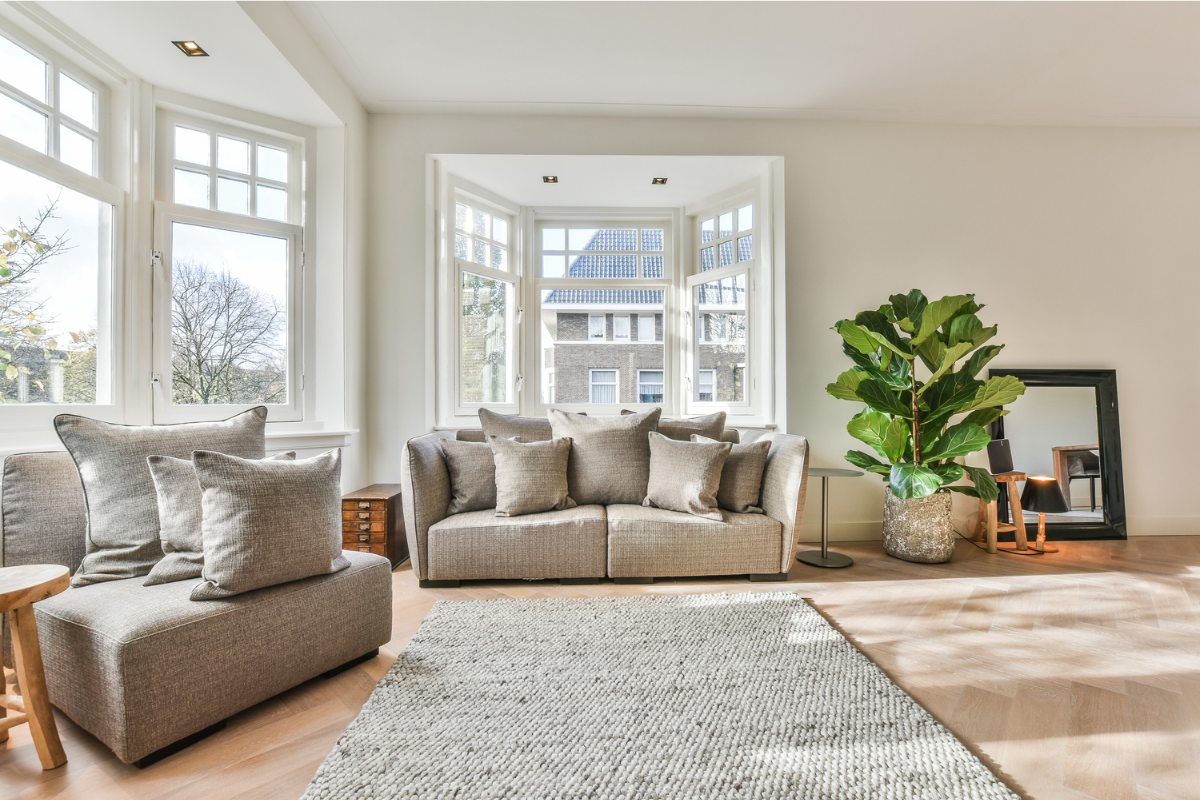
When should Orlando sellers consider a price adjustment?
Orlando sellers should consider a price adjustment when buyer activity is clearly below expectations. If the home is getting online views but few showings, showings but no offers, or repeated feedback about price, the market may be telling you something.
Price adjustments should not be emotional.
They should be based on signals.
Watch for these signs:
- Low showing activity in the first 10 to 14 days
- Plenty of views but few saved searches or inquiries
- Buyers touring but not making offers
- Similar homes going under contract first
- Repeated agent feedback about price
- More days on market than competing homes
- Appraisal concerns from buyer agents
- Price reductions nearby
The point is not to panic.
The point is to respond before the listing loses too much momentum.
National data reported by Realtor.com via the New York Post shows that price reductions have been more common in higher-inventory regions, including parts of Florida, Texas, and Arizona, where sellers have had to adjust expectations after rapid price growth during the pandemic period.
A price adjustment is not always failure.
Sometimes it is the move that gets buyers to re-engage.
But the best strategy is to avoid needing a major correction in the first place.
A local pricing strategy helps sellers avoid preventable mistakes
A local pricing strategy helps Orlando sellers avoid preventable mistakes by connecting the list price to real buyer behavior, local competition, and the seller’s timeline. Pricing is not just a number. It is a positioning decision.
The wrong price can make a good home look less attractive.
The right price can make buyers pay attention.
That is why the pricing conversation should happen before the sign goes in the yard. It should include the comps, the competition, the condition, the presentation, and the seller’s goals.
If you need to sell quickly, that may call for one strategy.
If you have more flexibility, that may call for another.
If your home is in excellent condition, the pricing conversation looks different than it does for a home that needs updates.
If you are competing with new construction, the strategy changes again.
This is where Tyler Gibson and the GPG Team can help Orlando homeowners think through the details before choosing a list price. The goal is simple: avoid guessing, avoid stale days on market, and give buyers a reason to take the home seriously from day one.
Conclusion: Price with strategy, not emotion
Pricing your Orlando home is not about picking the number you like best. It is about choosing the number that creates buyer confidence, supports your goals, and fits the reality of the current market.
A strong price considers recent sold comps, active competition, condition, search brackets, timing, and buyer behavior.
That is how you avoid scaring buyers away.
Thinking about selling your Orlando home? Talk with Tyler Gibson and the GPG Team before you choose a list price. A smart pricing conversation upfront can help you avoid stale days on market, unnecessary reductions, and missed buyer interest.
Frequently Asked Questions
What is the best way to price a home in Orlando?
The best way to price a home in Orlando is to compare recent sold homes, active competition, property condition, location, and current buyer demand. Sold comps matter most because they show what buyers actually paid. Active listings are still useful, but they only show what other sellers are asking.
Is it better to price high and negotiate down?
No, pricing high and negotiating down can backfire if buyers skip the listing before ever seeing it. Buyers may assume the seller is unrealistic, wait for a reduction, or choose a better-priced home instead. A stronger strategy is to launch at a price that feels credible from the start.
How accurate are online home value estimates?
Online home value estimates can be helpful as a starting point, but they are not a complete pricing strategy. Investopedia explains that Zillow’s Zestimate can be useful as a starting point, but it is not the same as an appraisal or a local pricing review. A local pricing review can account for condition, upgrades, layout, location, and competition.
How do I know if my Orlando home is overpriced?
Your Orlando home may be overpriced if it has low showing activity, no offers, repeated price feedback, or more days on market than similar homes. Another warning sign is when competing homes go under contract while yours sits. The market usually gives feedback quickly, especially during the first few weeks.
Can pricing too low hurt me as a seller?
Yes, pricing too low without a clear strategy can leave money on the table. Strategic pricing can create demand, but careless underpricing is different. The key is to price in a way that attracts buyers while still protecting your equity and negotiating position.
Categories
Recent Posts









“Making real estate simple, fun and profitable! ”