
What Happens After You Accept an Offer on Your Orlando Home?

What Happens After You Accept an Offer on Your Orlando Home?
What happens after you accept an offer on your Orlando home is where the real work begins. The offer is a big step, but it is not the finish line.
Once you sign the contract, the transaction moves into deadlines, deposits, inspections, appraisal, financing, title work, disclosures, repair discussions, final walk-through, and closing. Some deals move smoothly. Others hit a few bumps along the way.
That does not mean sellers should panic.
It means sellers should stay organized.
In Orlando, this matters even more because buyers have had more options than they did during the fastest parts of the market. The Orlando Regional REALTOR® Association housing market narrative reported that Orlando homes spent an average of 66 days on the market in May 2026, with 11,531 homes in inventory and 4.26 months of supply.
I’m Tyler Gibson with the GPG Team. I help Orlando sellers understand what happens after the offer is accepted so they can avoid surprises, keep deadlines on track, and get to closing with fewer problems.

What happens right after you accept an offer?
After you accept an offer, the signed contract starts the transaction timeline. The buyer, seller, agents, lender, title company, inspector, and other parties begin working through the steps needed to close.
This is when deadlines matter.
The buyer may need to make an escrow deposit. The inspection period begins. The lender may start processing the loan. The title company starts title work. The buyer may schedule inspections. The seller may need to provide documents, keep the home accessible, and respond to requests on time.
The exact process depends on the contract.
That part matters.
A lot of sellers think accepting the offer means the hard part is over. Sometimes it is. But often, the period after acceptance is where the deal is either protected or put at risk.
The goal is simple: keep the transaction moving without making emotional decisions.
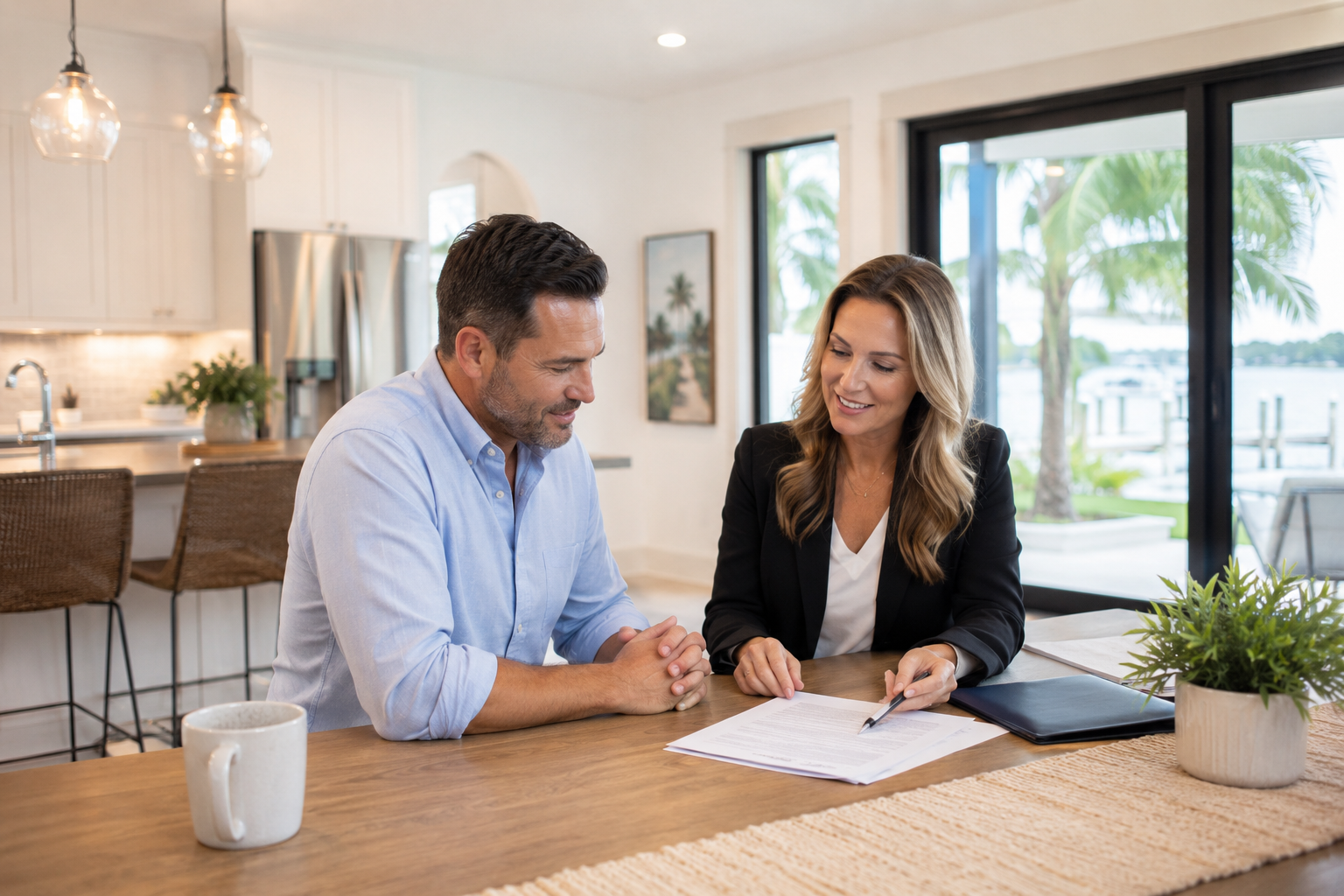
The contract timeline starts immediately
Once the offer is accepted, the contract timeline starts based on the effective date and the deadlines written into the agreement. This can include deadlines for escrow deposits, inspections, financing, appraisal, title review, HOA or condo documents, repair negotiations, and closing.
This is why the first few days matter.
The seller should know:
- When the buyer’s deposit is due
- How long the inspection period lasts
- Whether the buyer has a financing contingency
- Whether an appraisal is required
- Whether HOA or condo documents are involved
- Whether the seller needs to provide specific disclosures
- What date the closing is scheduled for
You do not have to memorize every deadline.
But you do need someone tracking them.
A missed deadline can create confusion. A slow response can create tension. A casual attitude can turn a manageable issue into a contract problem.
Most of the time, staying organized is half the battle.
What should Orlando sellers know about the escrow deposit?
The escrow deposit is money the buyer puts down after the contract is accepted to show they are moving forward in good faith. In Florida, escrow rules depend on who holds the funds and what the contract says.
Florida Realtors explains that when a broker receives escrow funds, the associate or broker-associate must deliver the deposit to the broker by the end of the next business day, and the broker must deposit the funds “immediately,” which Florida rules define as within three business days. The Florida Realtors escrow laws and rules guide gives a more detailed breakdown of escrow timeframes, deposits, disputes, and disbursements.
For sellers, the escrow deposit matters because it shows the buyer has some skin in the game.
But here is the reality check.
A deposit alone does not guarantee the deal will close.
The contract still controls what happens if the buyer cancels, defaults, or uses a contingency. The seller should understand the contract terms before assuming the deposit is automatically theirs if something goes wrong.
Escrow is important.
But it is not a substitute for a strong contract and good communication.
The inspection period can shape the next negotiation
The inspection period is often one of the most important parts of the transaction after an offer is accepted. This is when the buyer usually schedules inspections and decides whether the property condition still works for them.
For sellers, this is where preparation matters.
If the home has obvious issues, they may come up during inspection. That does not automatically mean the deal is in trouble. But it does mean everyone needs to stay practical.
The buyer may ask for repairs. They may ask for a credit. They may ask for a price adjustment. They may request additional specialist inspections. Or they may decide to move forward without asking for anything.
The seller does not need to panic over every item.
A home inspection report can be long. Many reports include small maintenance items, safety notes, older systems, and recommendations for further review. The seller and listing agent should separate minor issues from bigger concerns.
A loose outlet cover is not the same as active water intrusion.
An older water heater is not the same as a leaking water heater.
A buyer concern is not always a deal breaker.
The key is to respond strategically, not emotionally.
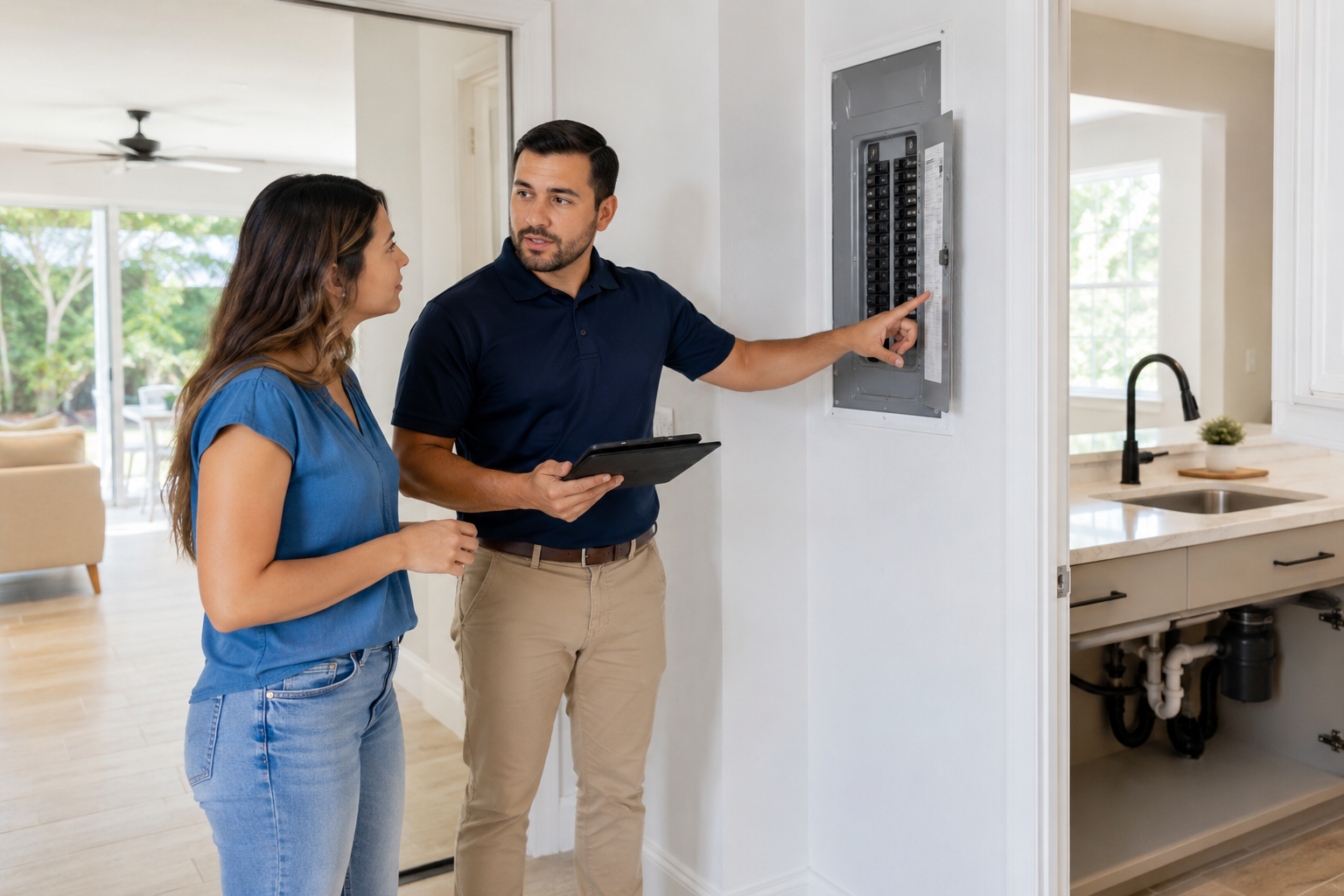
What happens during appraisal and financing?
If the buyer is using a mortgage, the lender will usually work through underwriting, documents, loan conditions, and appraisal. The appraisal helps the lender evaluate whether the home’s value supports the loan.
The appraisal is not the same as the home inspection.
The inspection focuses on condition.
The appraisal focuses on value.
The Consumer Financial Protection Bureau explains that an appraisal is a written opinion of a property’s value, and that lenders may need one when a buyer borrows money to buy or refinance a home. The CFPB guide to appraisals also explains that buyers are generally entitled to receive a copy of appraisals and other written valuations the lender obtains.
For sellers, the appraisal can matter because a low appraisal may affect the buyer’s loan approval or the buyer’s willingness to move forward at the contract price.
If the appraisal comes in at value, the process usually continues.
If it comes in low, the parties may need to talk through options. That could mean the buyer brings extra cash, the seller adjusts the price, both sides negotiate, or the contract terms decide what happens next.
This is another reason pricing correctly before listing matters.
A strong offer is good.
A strong offer that can actually close is better.
Title, disclosures, and documents keep the deal moving
After the offer is accepted, the title company or closing attorney works on title, payoff information, closing documents, and other transaction details. Sellers may also need to provide disclosures, HOA documents, permits, repair records, or other information depending on the property.
This is where hidden issues can slow things down.
Open permits, code enforcement matters, undisclosed defects, HOA violations, title problems, and payoff issues can all create delays if they are discovered late.
Florida Realtors explains that Florida sellers generally have a duty to disclose known facts that materially affect the value of residential property when those facts are not readily observable and not known to the buyer. The Florida Realtors disclosure law overview also includes information about Florida’s flood disclosure requirement, code enforcement, and radon disclosure language.
For sellers, the best approach is simple.
Do not wait until the last week to gather documents.
If you have roof records, HVAC service history, permits, warranties, HOA notices, insurance claim information, or repair receipts, get them organized early.
The smoother the paperwork, the fewer unnecessary questions later.
What should sellers do before closing?
Before closing, sellers should keep the property in the agreed condition, prepare to move out, complete any agreed repairs, maintain utilities if required, and stay responsive to closing requests.
This is not the time to disappear.
The seller may need to sign documents, provide payoff information, respond to title questions, confirm repair receipts, schedule movers, transfer utilities, and make sure the home is ready for the buyer’s final walk-through.
A few simple things can help:
- Keep copies of repair receipts
- Do not remove items included in the contract
- Keep utilities on through the proper date
- Avoid creating new damage while moving
- Leave remotes, keys, manuals, and access items
- Remove personal belongings and trash
- Confirm what stays and what goes
This sounds basic.
But basic things cause problems when they are ignored.
A seller taking the wrong appliance, removing a fixture, leaving debris, or failing to complete agreed repairs can create unnecessary conflict right before closing.
The finish matters.
The final walk-through is the buyer’s last checkpoint
The final walk-through is the buyer’s chance to confirm that the home is in the expected condition before closing. It is not meant to be a second full inspection, but it can reveal problems that need to be addressed before signing final documents.
Florida Realtors notes that buyers should use the final walk-through to check that agreed repairs were completed, no new damage occurred, and contract items remain in the home. The Florida Realtors final walk-through article describes it as an important checkpoint before closing.
For sellers, the best way to handle this is to leave the home clean, empty, and in the condition the contract requires.
If repairs were negotiated, have documentation ready.
If an item is supposed to stay, leave it.
If something breaks before closing, say something early.
Surprises at the final walk-through can delay the closing or create last-minute tension. Most of those issues are avoidable with clear communication.
Image Suggestion 4: Final Walk-Through Image
Suggested image: A buyer walking through an empty, clean home before closing with an agent nearby.
Suggested size: 1200 x 800 px
Alt text: Buyer completing a final walk-through before closing on an Orlando home
Purpose: This supports the final walk-through section and shows the buyer’s last checkpoint before closing.
What happens on closing day?
On closing day, the final documents are signed, funds are handled, ownership transfers, and the transaction is completed. For sellers, this usually means signing seller closing documents, paying off any existing mortgage or liens from proceeds, and receiving net proceeds after costs are settled.
The buyer’s lender also has closing disclosure requirements if the buyer is using a mortgage. The Consumer Financial Protection Bureau explains that the Closing Disclosure is a five-page form showing final loan terms, projected monthly payments, and closing costs, and that lenders are required to provide it at least three business days before closing. The CFPB Closing Disclosure explainer gives buyers a detailed guide to reviewing that form.
Sellers do not control the buyer’s lender timeline.
But sellers can help by staying responsive, signing what needs to be signed, and keeping the property ready for closing.
Once the transaction closes, the buyer gets possession according to the contract terms, and the seller receives proceeds based on the closing statement.
That is the goal.
Not just accepting the offer.
Getting it closed.
A local plan helps sellers avoid last-minute problems
A local plan helps Orlando sellers avoid last-minute problems because every accepted offer has moving parts. Price, buyer financing, inspections, repairs, appraisal, title, disclosures, HOA requirements, insurance concerns, and closing timelines all have to work together.
A good offer is not just about the highest number.
It is about the whole deal.
A seller should understand the buyer’s financing, deposit, contingencies, timeline, repair expectations, and closing strength before celebrating too early.
That does not mean being negative.
It means being realistic.
Once the offer is accepted, the seller’s job is to keep the transaction steady. Stay organized. Respond on time. Keep emotions out of repair talks. Keep the home in good condition. Make sure documents are ready. Do not create new problems right before closing.
That is how you protect the deal.
Conclusion: accepting the offer is only the beginning
Accepting an offer on your Orlando home is a major step, but the transaction is not done until it closes.
After acceptance, the seller still has to work through the contract timeline, escrow deposit, inspection period, appraisal, financing, disclosures, title, final walk-through, and closing.
Most issues are manageable when they are handled early.
Most problems get harder when they are ignored.
If you are selling your Orlando home, Tyler Gibson and the GPG Team can help you review offers, understand the next steps, and keep the deal moving from contract to closing.
Call the GPG Team at (407) 934-0320 to talk through your selling plan before you accept the next offer.
Frequently Asked Questions
What happens first after a seller accepts an offer?
After a seller accepts an offer, the signed contract starts the transaction timeline. The buyer may need to make an escrow deposit, schedule inspections, begin financing steps, and work with the title company while the seller prepares documents and keeps deadlines on track.
Can a buyer back out after an offer is accepted?
A buyer may be able to back out after an offer is accepted if the contract gives them that right through an inspection, financing, appraisal, title, or other contingency. The exact answer depends on the contract terms and deadlines.
Does the seller have to fix everything after the inspection?
No, the seller does not automatically have to fix everything after the inspection. The buyer may request repairs, credits, or other terms, but the seller can review the request and respond based on the contract, market conditions, and negotiation strategy.
What happens if the appraisal comes in low?
If the appraisal comes in low, the buyer’s lender may not support the full contract price based on the original loan terms. The buyer and seller may need to renegotiate, the buyer may bring additional cash, or the contract terms may determine what happens next.
What should sellers do before the final walk-through?
Before the final walk-through, sellers should make sure agreed repairs are complete, the property is clean, included items remain, utilities are handled properly, and no new damage has occurred. This helps avoid last-minute issues before closing.
Categories
Recent Posts










“Making real estate simple, fun and profitable! ”