What Buyers Should Know About HOA Communities in Florida

What buyers should know about HOA communities in Florida is that the fee is only one part of the decision.
The bigger question is what that fee comes with.
An HOA can affect how you use the property, what you can change, whether you can rent it, how much you pay every month, what approvals you need, and what happens if the community has financial problems.
That does not mean HOA communities are bad.
Some buyers like them because they can help maintain common areas, amenities, landscaping, gates, pools, clubhouses, and neighborhood appearance. But buyers should not go under contract in an HOA community without understanding what they are buying into.
In Florida, the details matter.
A single-family HOA in Orlando is not the same as a condo association near downtown, a townhome community in Lake Nona, or a vacation rental community near Disney. The rules, fees, reserves, restrictions, insurance responsibilities, and approval process can all be different.
I’m Tyler Gibson with the GPG Team. I help buyers in Orlando and Central Florida look beyond the listing photos and understand how HOA rules can affect the property after closing.
What is an HOA community?
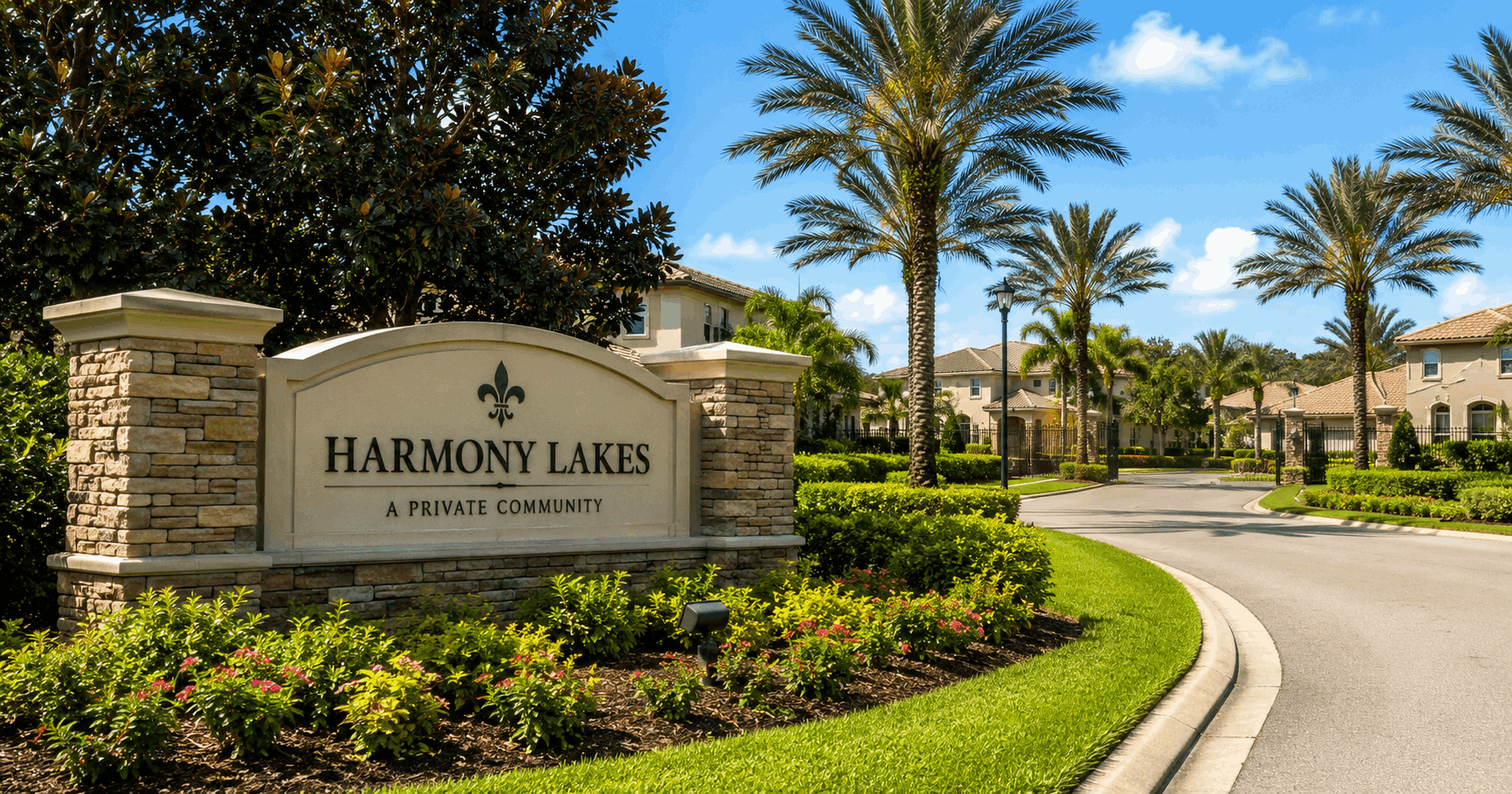
An HOA, or homeowners’ association, is an organization that governs a residential community based on recorded rules and governing documents.
If you buy in that community, membership is usually mandatory. That means you do not just buy the house. You also agree to follow the community’s covenants, restrictions, rules, and assessment obligations.
Under Florida Statute 720.401, a prospective buyer in a homeowners’ association community must receive a disclosure summary before executing the contract for sale. That disclosure explains that the buyer will be obligated to be a member of the homeowners’ association, that recorded restrictive covenants govern the property, and that the buyer will be obligated to pay assessments to the association.
That is the part buyers need to slow down and understand.
The home may be perfect. The neighborhood may look great. But if the rules do not fit your lifestyle, the property may not be the right fit.
Why do HOA rules matter before you buy?
HOA rules matter because they can affect everyday ownership.
They may control exterior paint colors, fencing, landscaping, parking, pets, signs, holiday decorations, architectural changes, rentals, guest access, and more. Some buyers do not realize this until after closing.
That is a mistake.
Florida Realtors advises buyers and agents to pay attention to HOA rules and make sure the buyer understands the governing documents during the transaction.
The rules are not just background information. They can directly affect how you live in the home.
For example, a buyer may assume they can park a work vehicle in the driveway, install a fence, lease the home later, or add a shed. In an HOA community, none of those things should be assumed.
You need to check the documents before you buy.
What HOA documents should buyers review?
Before buying in an HOA community, buyers should review the documents that explain how the community works.
The most important documents usually include the declaration, bylaws, rules and regulations, current budget, financial statements, meeting minutes, rental restrictions, architectural guidelines, and any notices about special assessments.
This is not exciting reading.
But it matters.
The listing description may tell you the HOA fee and a few amenities. The governing documents tell you what ownership actually looks like.
If the documents are confusing, ask questions before the end of your inspection or due diligence period. Do not wait until after closing.
How much are the HOA fees, and what do they cover?
The HOA fee is usually the first thing buyers notice.
But the amount by itself does not tell you enough.
A $150 monthly fee could be expensive if it covers almost nothing. A $400 monthly fee could be reasonable if it covers exterior maintenance, lawn care, community amenities, cable, internet, insurance, reserves, or other items.
The question is not only, “How much is the fee?”
The better question is, “What does the fee actually cover?”
Buyers should ask whether the HOA fee covers things like lawn care, exterior maintenance, community amenities, insurance, reserves, common area maintenance, management, or private road maintenance.
This matters because a lower fee is not always better.
Sometimes a low fee means the community is underfunded. Sometimes a higher fee means the association is planning ahead.
You need to know the difference.

Are there special assessments?
A special assessment is an extra charge beyond the regular HOA fee.
It may be used for major repairs, improvements, insurance shortfalls, storm damage, roofing, roads, gates, pools, elevators, exterior work, or other community needs.
This is one of the biggest questions buyers should ask.
A community can have an affordable monthly fee and still have a large assessment coming. That can change the entire purchase decision.
Before buying, buyers should ask if there are any pending, approved, recent, or discussed special assessments. They should also ask whether the community has major repairs coming up and whether reserves are strong enough to cover future expenses.
This is especially important in Florida because insurance, repairs, reserves, and building maintenance can have a major impact on association costs.
Are reserves and budgets healthy?
The HOA budget and reserves tell you how the community handles money.
Reserves are funds set aside for future repairs and replacements. If a community has weak reserves, owners may face higher dues or special assessments when major repairs are needed.
This is especially important for condos and townhomes where the association may be responsible for exterior systems, roofs, shared structures, elevators, parking areas, private roads, or common amenities.
For condominium resales, Florida Statute 718.503 requires certain documents to be provided to a prospective purchaser, including the declaration of condominium, articles of incorporation, bylaws and rules, annual financial statement, annual budget, and certain inspection or reserve study documents if applicable.
That matters because condo ownership is not just about the unit. It is also about the building and the association.
A buyer should understand whether the association is financially prepared for future obligations.
What rental restrictions apply?
Rental restrictions are one of the most important things Florida buyers should review before buying in an HOA community.
This matters even if you are not buying as an investor.
Your life can change. You may relocate. You may want to keep the property as a rental later. You may want flexibility.
Some communities allow rentals with few restrictions. Others limit how often you can lease, require minimum lease terms, restrict short-term rentals, cap the number of rental units, require tenant approval, or have waiting lists before owners can rent.
For buyers near Disney or other Central Florida tourism areas, this is critical.
Just because a home is near Disney does not mean it can legally or practically operate as a short-term rental. You need to check the HOA documents, city or county rules, zoning, licensing requirements, and platform restrictions before assuming the property can be used that way.
If rental flexibility matters to you, do not wait until after closing to find out the rules.
Can the HOA approve or deny buyers?
Some Florida communities may have an application or approval process for buyers or tenants, especially condos and certain gated communities.
This can include an application, fee, background check, interview, board review, orientation, or approval deadline.
The key is to know the process before you are deep into the contract.
Buyers should ask whether approval is required, how long it takes, what documents are needed, and what happens if approval is delayed.
This is not something to assume.
A buyer can complete inspections, spend money, and get close to closing before realizing an association approval step has not been completed. That can create unnecessary stress.
What daily rules should buyers check?
HOA rules are not only about major issues. They can also affect small everyday decisions.
Before buying, buyers should check rules about parking, work vehicles, boats, RVs, trailers, pets, fences, exterior colors, landscaping, trash cans, holiday decorations, signs, cameras, sheds, guests, noise, and home businesses.
Florida HOA law has also changed in recent years, including changes from House Bill 1203, which became effective July 1, 2024. The law added requirements involving HOA records, manager education, financial reporting, official records, certain fines, and other homeowners’ association operations.
That does not mean buyers should ignore the community documents.
State law and community rules can interact in complicated ways. If a rule is important to your decision, review the actual documents and get legal guidance if needed.
What should buyers know about architectural approvals?
Many HOA communities require approval before exterior changes.
That can include paint colors, fencing, landscaping, roof materials, windows, doors, pavers, sheds, pools, screen enclosures, solar panels, exterior lighting, or additions.
This matters because buyers often walk through a property and immediately imagine changes.
A new fence. Different paint. Outdoor kitchen. Paver driveway. Patio extension. Screen enclosure.
In an HOA community, you may need approval before making those changes.
The question is not just whether the improvement is allowed. The question is what the approval process looks like.
How long does it take? Who approves it? What standards apply? What happens if the request is denied?
If you already know you want to make changes, check before you buy.
What is different about condos?
Condos are different from single-family HOA communities because you are often buying the interior of the unit while sharing responsibility for the building and common elements.
That means the association’s financial condition can matter even more.
Buyers should pay close attention to monthly condo assessments, master insurance, reserves, special assessments, building repairs, rental restrictions, association approval, maintenance responsibilities, parking, storage, and any pending litigation.
For resale condos, buyers should not only look at the unit. They should look at the building, the budget, the reserves, the insurance, and the association.
This is especially important in Florida because building maintenance, insurance, and reserve requirements can have a major effect on ownership costs.
For new residential condominiums with more than 20 residential units, Florida Statute 718.504 requires a prospectus or offering circular, and the required FAQ page must include information about items such as voting rights, unit use restrictions, leasing restrictions, assessment amounts, certain lawsuits, and other details.
What should investors know before buying in an HOA?
Investors need to be especially careful with HOA communities.
A property can look like a good rental on paper and still fail because the HOA rules do not support the strategy.
Before buying, investors should verify whether rentals are allowed, whether short-term rentals are restricted, whether there is a minimum lease length, whether tenants need approval, and whether there are rental caps or waiting lists.
Do not rely only on what a listing says.
Do not rely only on what another investor says.
Read the documents.
For short-term rentals, verify the HOA rules and local government rules before assuming the property can be used as an Airbnb or vacation rental.
How can HOA issues affect financing and insurance?
HOA issues can affect financing, insurance, and closing.
This is especially true for condos.
A lender may review the association’s budget, insurance, owner-occupancy, litigation, reserves, special assessments, or questionnaire responses before approving the loan.
If the association does not meet lender requirements, the buyer may have fewer loan options or may not be able to use the original financing plan.
Insurance also matters.
In some communities, the association may carry a master insurance policy for certain exterior or common elements, while the buyer still needs separate coverage for the unit interior, personal property, liability, or other items.
Buyers should ask the lender and insurance professional what is required before the end of the due diligence period.
Waiting until the last week can create problems.
Should you buy a home in an HOA community?
Buying in an HOA community can make sense if the rules, fees, amenities, and maintenance structure match your lifestyle.
It can be a good fit for buyers who want community standards, shared amenities, maintained common areas, and a more structured neighborhood.
But it can be a bad fit for buyers who want maximum freedom, fewer restrictions, rental flexibility, or the ability to make exterior changes without approval.
The right answer depends on the buyer.
Some people love HOA communities. Some people should avoid them.
The mistake is not buying in an HOA.
The mistake is buying in one without reading the documents.
Conclusion: read the HOA documents before you buy
Buying in an HOA community in Florida is not just about the home.
It is about the rules, fees, restrictions, budget, reserves, approvals, rental policies, insurance responsibilities, and the way the community is managed.
Before you buy, take time to review the HOA documents, ask questions about the fees, check rental restrictions, look for special assessments, and confirm whether the community has any approval requirements.
The goal is not to be afraid of HOA communities.
The goal is to make sure the rules actually fit the way you plan to live or invest.
If you are buying in Orlando or Central Florida, Tyler Gibson and the GPG Team can help you evaluate HOA communities, ask better questions, and understand what to look for before you move forward.
Call the GPG Team at (407) 934-0320 before you buy in an HOA community.
Frequently Asked Questions
What should buyers know about HOA communities in Florida?
Buyers should know that HOA communities can affect fees, rules, maintenance responsibilities, rental options, parking, pets, exterior changes, approvals, and special assessments. The most important step is reviewing the governing documents before closing.
Can an HOA stop me from renting my Florida home?
Some HOA communities can restrict rentals through their governing documents. The rules may include minimum lease terms, rental caps, waiting lists, tenant approval, or short-term rental restrictions. Buyers should verify rental rules before buying.
Are HOA fees negotiable when buying a home?
HOA fees are usually set by the association, not negotiated between the buyer and seller. A buyer may negotiate seller credits or other contract terms, but the ongoing HOA fee belongs to the property and community.
Can an HOA approve or deny buyers in Florida?
Some communities, especially condos and certain gated communities, may require buyer approval or an application process. Buyers should ask about approval requirements, fees, timelines, and what happens if approval is delayed or denied.
Are condo associations different from HOAs?
Yes. Condos often involve shared building responsibilities, common elements, master insurance, reserves, structural inspections, and more detailed association documents. Buyers should review not only the unit but also the building, budget, insurance, reserves, and association health.
Categories
Recent Posts










“Making real estate simple, fun and profitable! ”