
Common First-Time Home Buyer Mistakes in Orlando and How to Avoid Them

Common First-Time Home Buyer Mistakes in Orlando and How to Avoid Them
Buying your first home in Orlando is exciting, but the expensive surprises often come from costs and details that are easy to overlook at the beginning.
A buyer may feel comfortable with the mortgage payment, see a reasonable property-tax bill on the listing, and love the updates inside the house. Then the insurance quote comes back higher than expected, the future tax estimate looks different from the seller’s bill, or an inspection or permit issue appears after the buyer is already emotionally committed.
I’m Tyler Gibson with the GPG Team, and when I work with first-time buyers in Orlando and Central Florida, I want them looking beyond the list price. The goal is not simply to get an offer accepted. It is to buy a home you can comfortably own after closing.
Here are some of the most common first-time home buyer mistakes I see and what to do differently.
1. Treating the Preapproval Amount Like a Spending Target
A preapproval is not a recommendation to spend every dollar a lender says you may qualify to borrow.
The Consumer Financial Protection Bureau explains that lenders consider things like income, assets, debts, and credit, but only the buyer can determine what monthly payment fits comfortably with the rest of their financial life.
That distinction matters because the mortgage is only part of the monthly cost. Property taxes, homeowners insurance, mortgage insurance, HOA or condo dues, utilities, and maintenance can change the picture quickly.
Instead of beginning with the maximum purchase price, I prefer to start with the monthly housing payment the buyer is comfortable carrying. From there, we can look at what purchase price makes sense after estimating taxes, insurance, and community fees.
2. Assuming the Seller’s Property Taxes Will Become Yours
One of the easiest ways for a Florida buyer to underestimate future housing costs is to use the seller’s current property-tax bill as the buyer’s future tax estimate.
A longtime owner may have a Homestead Exemption and years of Save Our Homes protection. The Orange County Property Appraiser explains that when a property is sold or otherwise conveyed to a new owner, the assessment is generally raised to full just value. The previous owner’s Homestead Exemption and Save Our Homes limitation do not simply transfer to the buyer.
That can create a meaningful difference between the taxes shown in a listing and what the new owner eventually pays.
When I am helping a buyer evaluate an Orlando home, I would rather estimate taxes based on the new ownership than assume the existing bill will continue.
The Florida Department of Revenue also explains how Homestead Exemption and Save Our Homes work for eligible Florida homeowners. The county property appraiser handles the actual property-specific exemption application.
3. Waiting Too Long to Investigate Homeowners Insurance
Homeowners insurance should not be treated as a last-minute closing item in Florida.
The Florida Department of Financial Services explains that insurers may use property inspections when deciding whether to issue coverage. For older homes, an insurer may request a four-point inspection that reviews the roof, plumbing, electrical system, and heating and air-conditioning system.
This is why a home that looks affordable based on principal and interest can look different once an actual insurance quote is added to the budget.
The CFPB recommends looking at the total monthly home payment, including principal, interest, taxes, homeowners insurance, mortgage insurance when applicable, supplementary insurance such as flood coverage, and HOA fees.
I encourage buyers to begin investigating insurance once they are seriously considering a property. You do not need to panic because a home is older, but you do want to understand whether the roof or major systems could affect coverage, pricing, or the options available to you.
4. Treating the Inspection Like a Pass-or-Fail Test and Ignoring Permit History
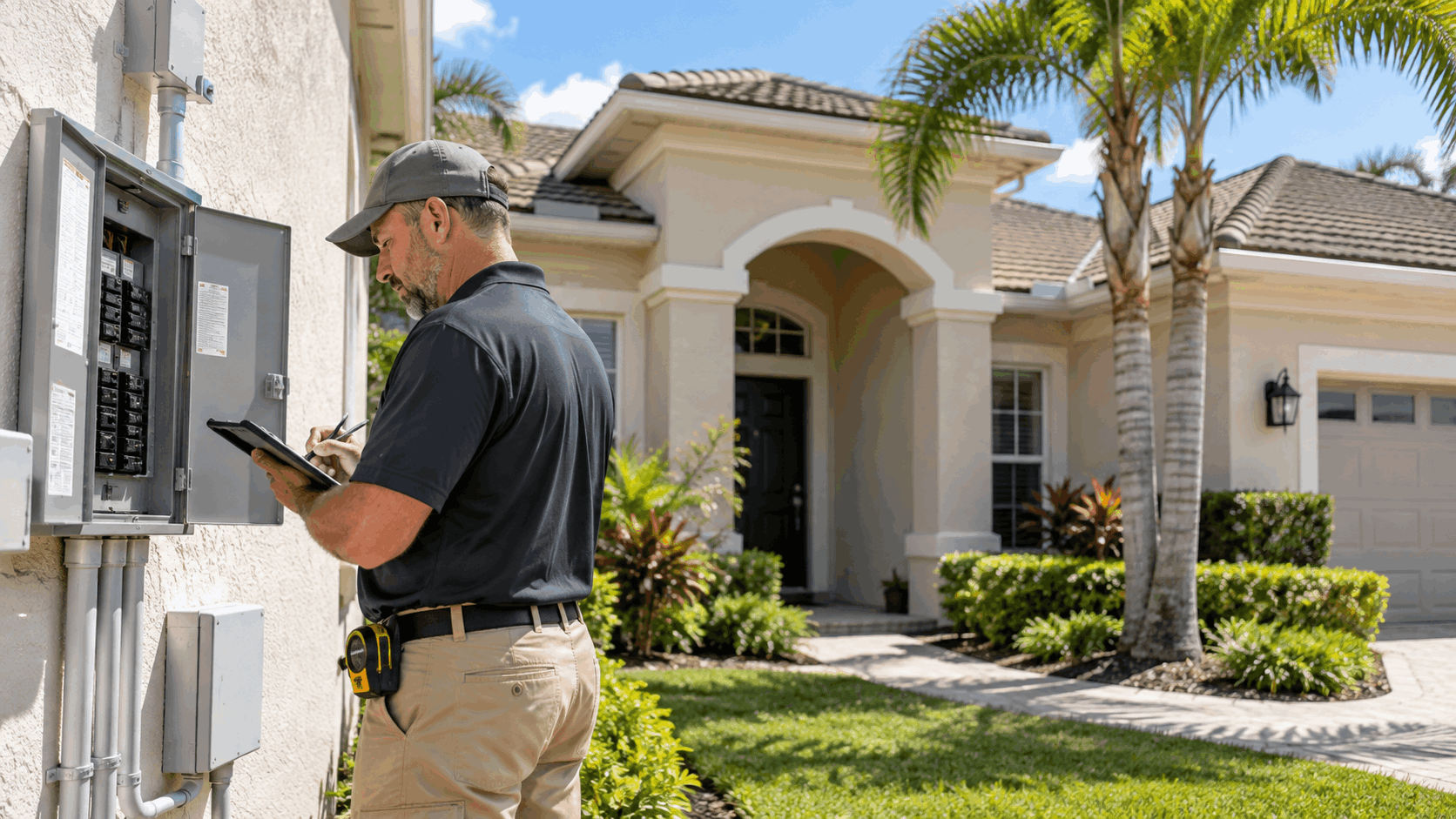
A home inspection does not give a house a passing or failing grade. It gives you information that helps you decide what you are comfortable owning.
A long report does not automatically mean you should walk away, and a home without a catastrophic defect is not automatically problem-free. The better question is what the findings mean for your finances, maintenance, and insurance after closing.
In Central Florida, I want buyers paying attention to the roof, HVAC, plumbing, electrical system, drainage, water intrusion, previous renovations, wood-destroying organisms, and signs of deferred maintenance.
Renovations deserve another layer of due diligence.
New cabinets, flooring, bathrooms, or paint do not tell you whether work that required permits was properly permitted or inspected. If a home has a converted garage, enclosed patio, addition, added bathroom, major electrical work, or other substantial changes, it can be worth checking the public record.
Orange County's Fast Track Permitting Services allow the public to search permits, addresses, parcels, and related records.
The correct permitting authority depends on the property's jurisdiction. A City of Orlando property may need to be researched differently from a home in unincorporated Orange County.
5. Using Nearly All of Your Savings to Get to Closing
A first-time buyer may spend months saving for a down payment and then assume that number represents everything they need.
It does not.
There may also be appraisal costs, inspections, lender charges, prepaid insurance, escrow funding, title-related expenses, moving costs, and other transaction expenses.
The CFPB's home-buying guidance recommends considering closing costs while also preserving money for other savings goals, moving expenses, repairs, furnishings, and an emergency cushion.
More importantly, homeownership begins when the transaction ends.
An appliance can fail. A plumbing repair can show up. Or you may discover several smaller expenses during the first few weeks that were not part of your original moving budget.
I would much rather see a first-time buyer purchase a home that leaves room for reserves than use nearly every available dollar just to get the keys.
6. Making Financial Changes Before the Mortgage Is Finished
Getting preapproved does not mean the mortgage process is over.
The CFPB describes a preapproval as a lender's willingness to lend pending further confirmation of the buyer's information. It is not a guaranteed final loan approval.
That means buyers should be cautious about actions that could change their financial profile while the loan is being processed.
This is not the time to casually finance a new car, open several credit cards, co-sign another loan, or put an entire house full of furniture on credit. Job changes or unusual movement of large amounts of money can also create additional questions during underwriting.
If you are under contract and considering a significant financial move, talk to your lender before you make it.
Asking first is much easier than trying to fix a financing problem days before closing.
7. Ignoring Flood Risk Because Orlando Is Inland
Orlando is not a coastal market, but that does not mean buyers should ignore flood risk.
Flooding can be influenced by rainfall, drainage, lakes, low-lying land, surrounding development, and the characteristics of the individual property.
FEMA identifies its Flood Map Service Center as the official public source for National Flood Insurance Program flood hazard information. Buyers can search a specific property address and review the applicable flood information.
The point is not to assume that any property with a flood consideration should be avoided.
It is to understand the property-specific risk and discuss appropriate insurance coverage with a qualified insurance professional before buying.
Being inland is not a substitute for checking the actual property.
8. Choosing the House Before Testing the Location
A home can check every box and still be in the wrong location for your everyday life.
Central Florida buyers may search across Orlando, Winter Park, Lake Nona, Kissimmee, Oviedo, Lake Mary, Winter Garden, Clermont, and other communities. A property that looks close on a map may create a commute the buyer does not want to make every day.
Before making an offer, drive the likely commute at approximately the time you would actually travel.
Think about where you work, where you spend weekends, how often you go to the airport, where family lives, and the places you use every week.
For someone relocating to Central Florida, I would rather discover that the commute does not work during the home search than after closing.
Square footage matters, but so does what happens when you leave the driveway.
A Better Approach for First-Time Orlando Buyers
You do not need to become an expert in every part of a real estate transaction before buying your first home.
You do need to slow down long enough to verify the numbers and understand the property before making the decision.
Before committing to a home, make sure you understand your comfortable monthly payment, estimated property taxes after the sale, actual insurance costs, inspection findings, relevant permit history, expected cash to close, flood considerations, and the real commute.
That is a much stronger foundation than simply asking whether you qualify for the purchase price.
The goal is not finding a perfect home with zero potential expenses.
The goal is knowing what you are buying before it becomes yours.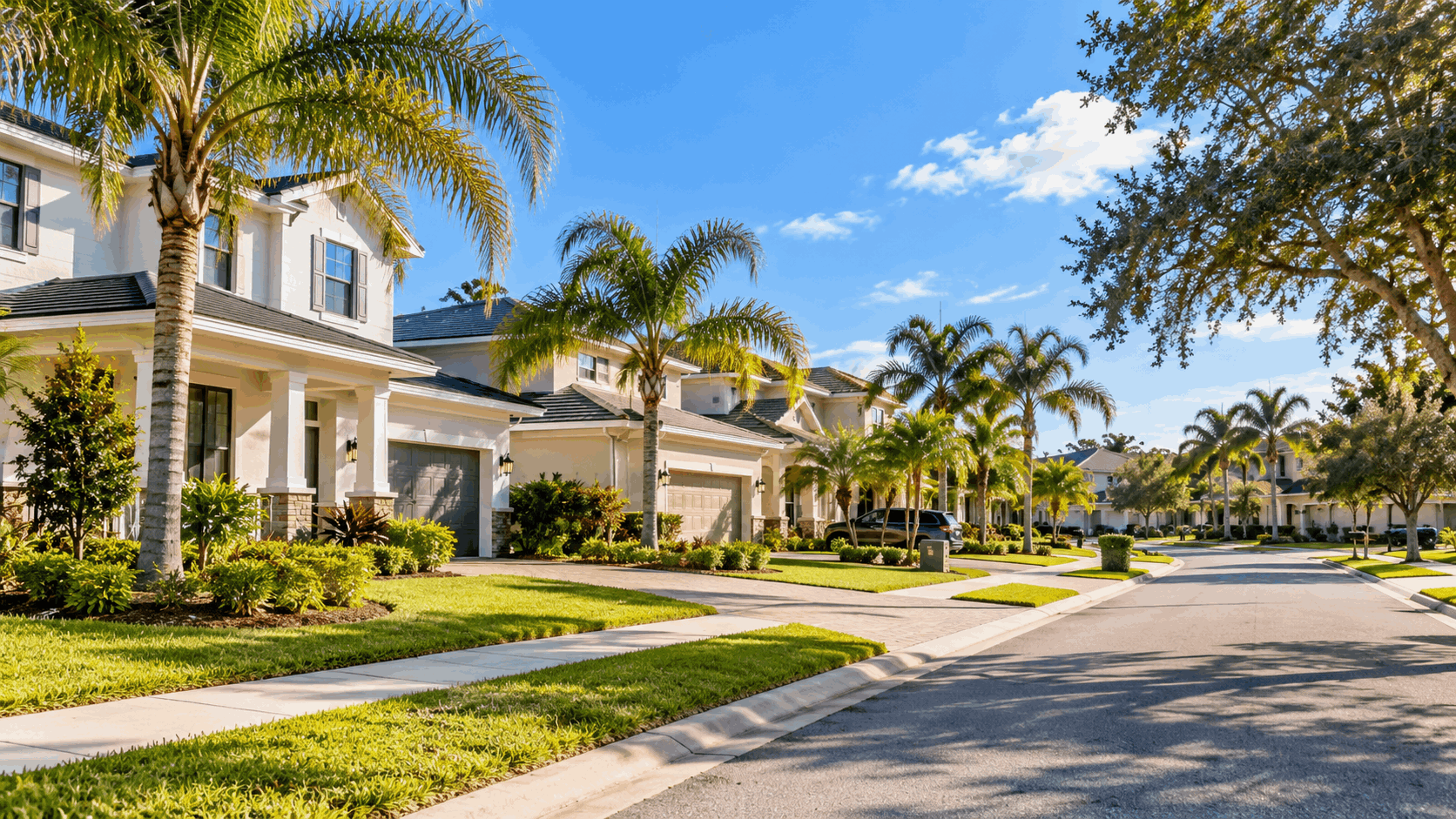
Frequently Asked Questions About Buying Your First Home in Orlando
How much money do I need to buy my first home in Orlando?
You should plan for more than the down payment. Your cash needs may also include closing costs, inspections, appraisal charges, prepaid insurance, escrow deposits, moving expenses, and money you want to keep available after closing.
Will my property taxes be the same as the seller’s taxes?
No, you should not assume the seller’s current tax bill will become yours. A change in ownership can cause the property to be reassessed, and the previous owner’s Homestead and Save Our Homes benefits do not automatically transfer to the buyer.
Should I get a homeowners insurance quote before buying?
Yes, insurance should be investigated early enough to affect your buying decision. The property's roof and major systems can matter to underwriting, particularly with older Florida homes.
Do first-time home buyers qualify for Florida's Homestead Exemption?
You may qualify if you own the property and make it your permanent Florida residence. The Florida Department of Revenue provides statewide eligibility information, while your county property appraiser handles the application.
Do I need flood insurance when buying a home in Orlando?
It depends on the property, lender requirements, and the coverage you choose. Check the specific property's flood information and discuss appropriate coverage with your insurance professional rather than assuming every inland property carries the same risk.
Can I buy furniture on credit before closing?
Talk to your lender before taking on new debt or opening credit while your mortgage is still being processed. Even after preapproval, changes to your financial profile can create underwriting issues.
Should I spend the maximum amount my lender approves?
Not necessarily. A better target is a total monthly housing cost that still allows you to handle your other expenses, savings goals, and the ongoing costs of homeownership.
How early should I prepare to buy a home in Orlando?
Start before you become serious about touring homes. Reviewing your budget, credit, savings, financing options, and likely ownership costs early gives you more time to address potential problems without the pressure of an active contract.
Buying Your First Home in Orlando?
Buying your first home is not just about getting approved and finding a property you like.
It is about understanding what you are buying, what it will realistically cost to own, and whether the home fits your life after closing.
If you are thinking about buying your first home in Orlando or anywhere in Central Florida, I can help you understand the process, compare neighborhoods and properties, and know which questions to ask before you make an offer.
Categories
Recent Posts








“Making real estate simple, fun and profitable! ”