
Should You Buy New Construction or Resale in Orlando?

Buying a home in Orlando often comes down to more than choosing the right floor plan or neighborhood. One of the biggest decisions buyers face is whether to buy a new construction home or a resale home.
New construction can feel like the easier choice. Everything is new. The roof, HVAC, appliances, plumbing, and electrical systems are newer. The layout usually feels modern. Builders may offer incentives, closing cost help, or rate buydowns that make the payment look more attractive.
Resale homes offer a different kind of value. They are often in more established neighborhoods, closer to older parts of Orlando, Winter Park, College Park, Maitland, Conway, Dr. Phillips, and other areas where new construction is harder to find. You can walk through the actual home, see the real neighborhood, and understand the location before making a decision.
Neither option is automatically better.
The better choice depends on your budget, timeline, location, lifestyle, risk tolerance, and long-term goals.
I’m Tyler Gibson with the GPG Team. I work with buyers, sellers, and investors in Orlando and Central Florida, and when someone asks whether they should buy new construction or resale, I usually tell them this: do not compare only the purchase price. Compare the full picture.

What is the difference between new construction and resale in Orlando?
A new construction home is a home that has just been built or is still being built by a builder. It may be move-in ready, under construction, or still in the planning stage. In Central Florida, new construction is often found in growth areas like Lake Nona, Horizon West, Winter Garden, Clermont, Davenport, Kissimmee, St. Cloud, Apopka, and other expanding corridors.
A resale home is an existing home that has already been owned and lived in. Resale homes can range from older properties that need updates to fully renovated homes in established neighborhoods.
The main difference is not just age. It is control, location, timing, cost, condition, and certainty.
With new construction, you may get newer systems, modern design, builder warranties, and the ability to choose certain finishes. With resale, you may get an established location, mature landscaping, a larger lot, more negotiation flexibility, and a clearer picture of what you are buying from day one.
That is why the decision is not as simple as “new is better” or “resale is cheaper.”
Why do buyers like new construction homes?
Buyers are often drawn to new construction because it feels clean, modern, and lower maintenance. For many people, the idea of moving into a home where no one else has lived is a major benefit.
New construction homes usually have newer roofs, HVAC systems, plumbing, electrical systems, appliances, and finishes. That can reduce the chance of immediate repairs compared with an older resale home.
Many new homes also offer open layouts, larger kitchens, energy-efficient features, smart home options, higher ceilings, modern bathrooms, and flexible living spaces. For buyers who work from home or want a more current layout, that can be appealing.
Builder incentives can also matter. Some builders may offer closing cost assistance, design credits, appliance packages, or interest rate buydowns. Florida Realtors has reported that builder incentives and pricing adjustments can make new homes more competitive with resale homes in some markets.
That does not mean every builder deal is a good deal. It means buyers need to understand the total cost, not just the advertised incentive.
What should buyers watch for with new construction?
New construction can be a great option, but buyers should not assume it is automatically simple.
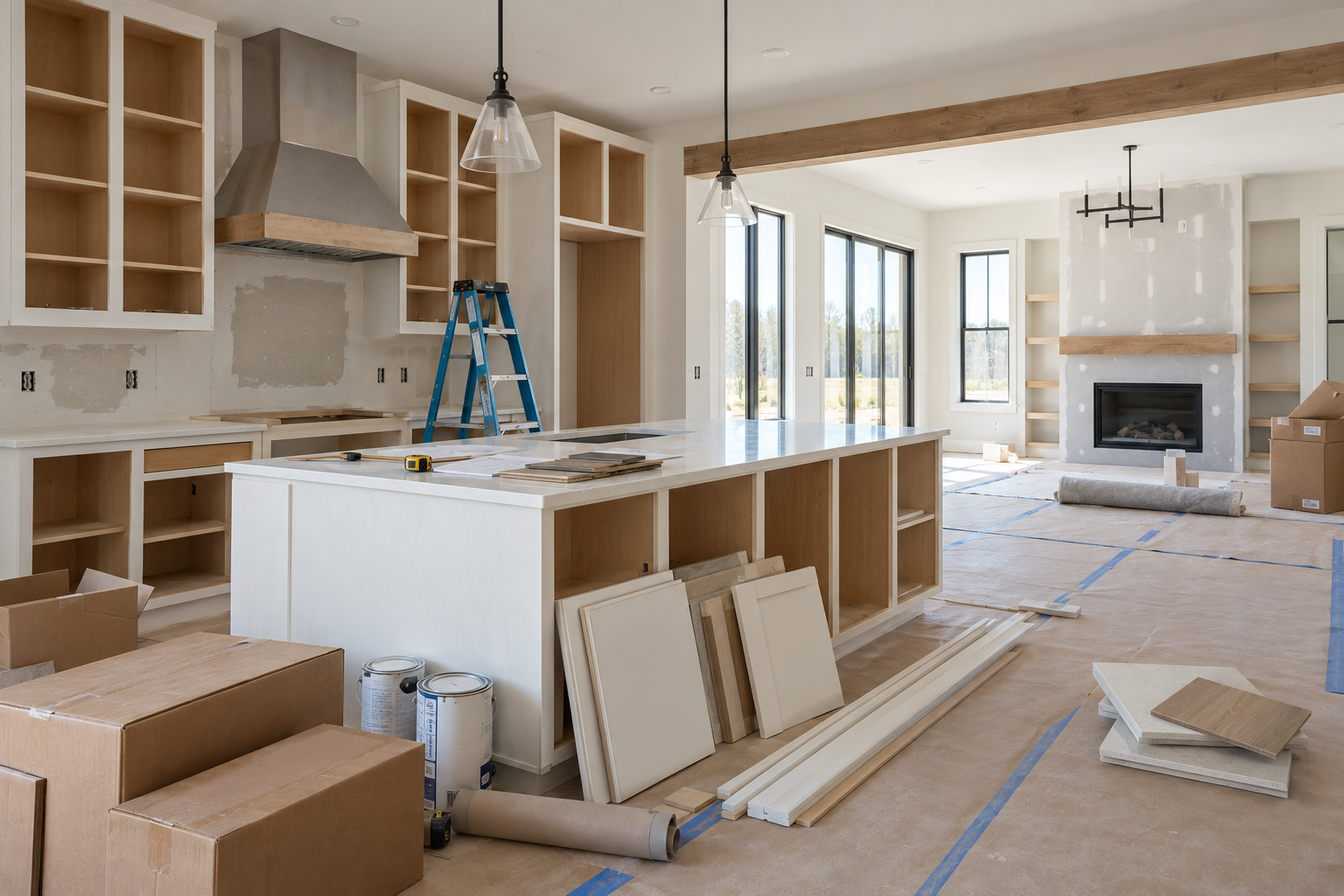
The base price may not include the finishes buyers expect. Lot premiums, design upgrades, structural options, appliances, window treatments, fencing, gutters, landscaping, and other items can increase the final cost. A model home is designed to look impressive, but it may include upgrades that are not included in the starting price.
Timeline also matters. A move-in ready home may close quickly, but a home that is still being built can take months. Delays can happen because of permitting, materials, labor, inspections, weather, or builder scheduling. If you need to move by a specific date, this is important.
Buyers should also review community costs. Many new construction neighborhoods have HOA fees, CDD fees, amenity fees, or other expenses that affect the monthly payment. Florida law also requires a homeowners’ association disclosure summary for certain communities, which is why buyers should review HOA obligations before signing. You can review Florida Statute 720.401 for the HOA disclosure language.
The builder contract matters too. Builder contracts are not always the same as standard resale contracts. Buyers should understand deposit requirements, cancellation rights, financing deadlines, inspection options, change order rules, warranty process, closing timeline, and what happens if delays occur.
New construction is new, but buyers still need due diligence.
What are the benefits of buying a resale home in Orlando?
Resale homes can be attractive because they offer something new construction often cannot: established location.
Many of Orlando’s most desirable areas are already built out. If a buyer wants to be near Downtown Orlando, Winter Park, College Park, Delaney Park, Conway, Maitland, Audubon Park, or Dr. Phillips, resale may offer more options than new construction.
Resale homes also let buyers see the actual property before making a decision. You can walk through the home, check the natural light, listen for road noise, evaluate the yard, and understand the neighborhood before writing an offer.
There may also be more room for negotiation. With a resale home, the seller’s motivation can vary. Some sellers may be willing to negotiate repairs, credits, closing costs, price, or timelines. That flexibility depends on the market and the specific property, but resale homes often involve more direct negotiation than builder inventory.
Resale homes may also have mature landscaping, larger lots, established trees, completed fencing, window treatments, appliances, and neighborhood character that newer communities may not have yet.
For buyers who value location, lot size, and neighborhood feel, resale can make a lot of sense.
What should buyers watch for with resale homes?
The biggest concern with resale homes is condition. Older homes can have older roofs, HVAC systems, plumbing, electrical panels, water heaters, windows, appliances, or drainage issues.
That does not make them bad homes, but buyers need to understand what they are buying.
A resale inspection is important because it helps identify visible issues and potential repair concerns. Buyers should pay close attention to major systems, not just cosmetic updates. A home can look beautiful online and still have expensive problems behind the walls, in the attic, on the roof, or around the foundation.
Insurance is another major factor in Florida. Roof age, electrical systems, plumbing, wind mitigation features, and overall condition can affect insurance availability and cost. The Florida Department of Financial Services provides information on homeowners insurance, and the Florida Office of Insurance Regulation provides wind mitigation resources for Florida property owners.
Buyers should not wait until the end of the process to check insurance. It should be reviewed early because it can affect affordability.
The key is to separate cosmetic issues from expensive issues. Paint color is one thing. A roof near the end of its life is different.
Is new construction cheaper than resale in Orlando?
New construction is not always cheaper, and resale is not always the better deal. Buyers need to compare the full cost.
A new construction home may have a competitive base price, but the final number can increase once upgrades, lot premiums, HOA dues, CDD fees, and post-closing costs are included. Builder incentives may help, but buyers should understand whether the incentive is truly lowering the cost or simply shifting the numbers through financing, credits, or preferred lender terms.
A resale home may have a lower purchase price, but it could need repairs, updates, or system replacements. If the roof, HVAC, plumbing, or electrical systems need attention, the real cost of the home may be higher than the price suggests.
This is why buyers should compare monthly payment, cash needed to close, insurance, taxes, HOA or CDD fees, expected repairs, future maintenance, and resale potential. The Orlando Regional REALTOR® Association housing market narrative can also help buyers understand current Orlando market conditions, including pricing, inventory, and buyer activity.
The better deal is not always the lower price. The better deal is the home that fits your budget and your life with the fewest surprises.
How do builder incentives work?
Builder incentives can be helpful, but buyers need to understand the details.
A builder may offer closing cost assistance, rate buydowns, design credits, or appliance packages. These incentives can make the monthly payment or upfront cost more attractive.
However, many builder incentives are tied to using the builder’s preferred lender, title company, or closing partner. That does not mean the incentive is bad, but buyers should compare the builder’s offer against outside financing options.
The lowest advertised rate is not always the lowest total cost once loan fees, points, terms, and long-term payment structure are reviewed.
Buyers should ask clear questions. What is the base price? What upgrades are included? What is the lot premium? What are the HOA and CDD fees? Is the incentive tied to a preferred lender? Is the rate permanent or temporary? What happens after a temporary buydown ends?
A good incentive should make the purchase stronger, not distract from the full cost.
Do new construction homes still need inspections?
Yes. New construction homes should still be inspected.
A new home can still have construction defects, installation issues, drainage concerns, incomplete work, or items that need correction before closing. Builders have their own inspection process, and local building departments perform required inspections, but buyers should still consider hiring their own independent inspector.
Florida law includes certain builder warranty requirements for newly constructed homes. Florida Statute 553.837 addresses builder warranty protections related to certain construction defects. Buyers should understand what is covered, what is excluded, and how warranty requests are handled.
The Florida Department of Financial Services also explains that home warranty coverage depends on the specific contract, which is why buyers should review coverage carefully instead of assuming everything is included.
For new construction, buyers may consider a pre-drywall inspection if the home is still being built, a final inspection before closing, and an 11-month warranty inspection before the first-year warranty period ends.
How does location affect the decision?
Location is one of the biggest differences between new construction and resale.
New construction often follows available land. That means many new communities are located in growing areas farther from Orlando’s older core. For some buyers, that is a benefit. They may want newer roads, newer schools, newer amenities, master-planned communities, and a suburban lifestyle.
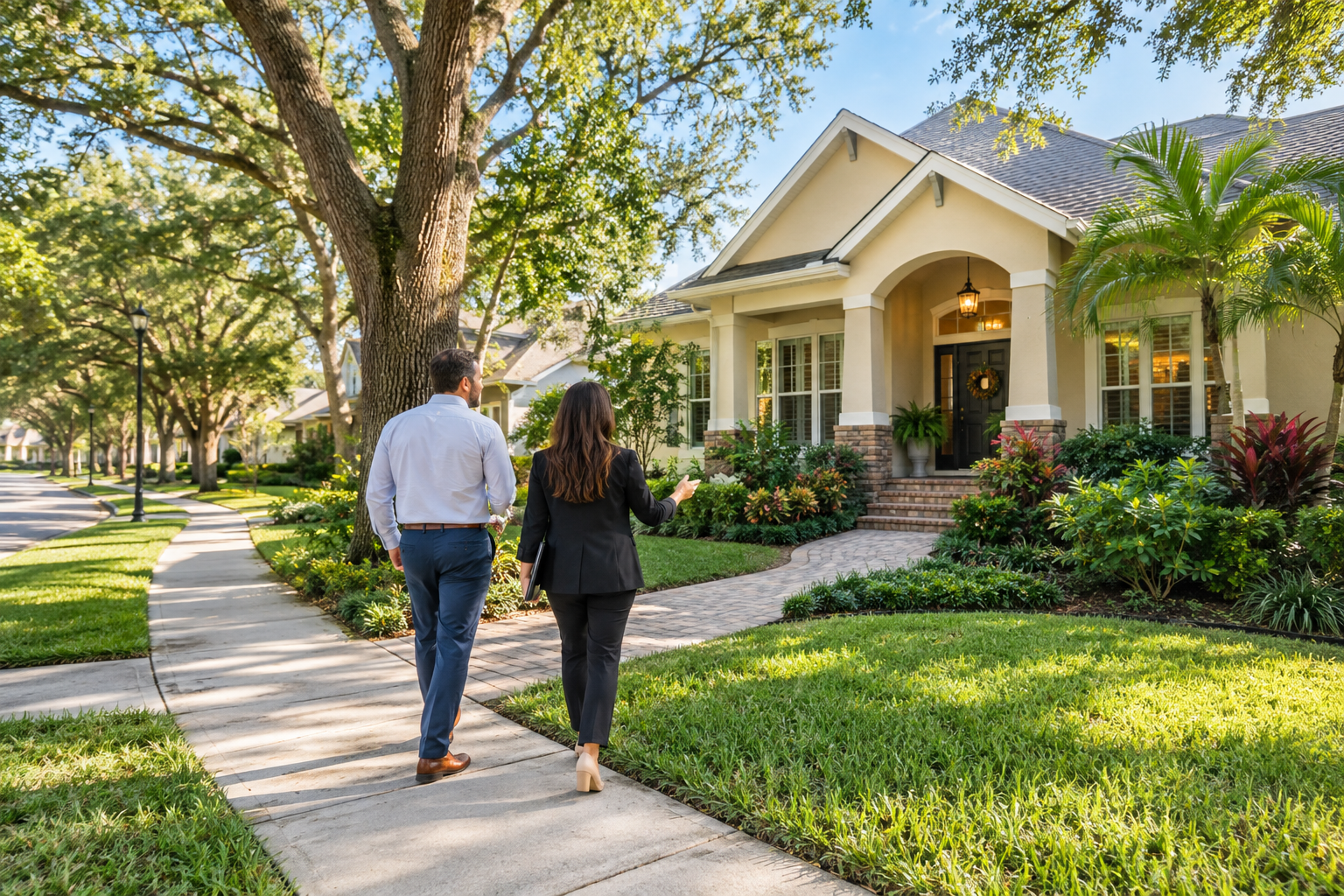
For other buyers, commute time and established location matter more. A resale home may be closer to work, family, restaurants, hospitals, parks, schools, and the places where the buyer already spends time.
This is why buyers should not evaluate the home alone. They should evaluate the life that comes with the home.
How long is the commute? What will traffic look like during normal work hours? Are daily needs convenient? Is the area still under construction? Are future roads, commercial development, or new phases planned nearby?
A beautiful home in the wrong location can become frustrating. A slightly older home in the right location may be the better fit.
Which option is better for investors?
For investors, the decision between new construction and resale depends on the strategy.
New construction may offer lower early maintenance, builder warranties, newer systems, and tenant appeal. That can be useful for long-term rentals if the numbers work and the community allows rentals.
However, new construction may also come with higher HOA fees, CDD fees, rental restrictions, builder premiums, and less room to force appreciation through improvements. If many similar homes are being built nearby, investors also need to think about competition.
Resale homes may offer more opportunities to add value through repairs, updates, better management, or improved marketing. They may also be located in established rental areas with proven demand. But resale homes can come with higher maintenance risk and more immediate repair needs.
A new home is not automatically a better rental. A resale home is not automatically a better investment. The numbers still have to work.
What questions should buyers ask before choosing?
Before choosing new construction or resale in Orlando, buyers should ask practical questions.
How long do I plan to stay in the home? How important is location compared with age? Do I want a newer home even if it means living farther out? Am I comfortable with repairs or updates? What is the full monthly payment after taxes, insurance, HOA, and CDD fees? What will I need to spend after closing? How much cash will I have left after moving in?
Buyers should also think about future flexibility. Could the home be rented later if needed? Would the location appeal to future buyers? Are there rental restrictions? Is there enough resale demand in the area? Will the floor plan still work in five years?
A smart purchase is not only about what works today. It is about what still makes sense later.
Conclusion: should you buy new construction or resale in Orlando?
You should consider new construction if you want a newer home, modern layout, lower early maintenance, builder warranty protection, and potential builder incentives, and you are comfortable with the location, timeline, community fees, and final cost.
You should consider resale if you want an established neighborhood, more location options, mature landscaping, possible negotiation flexibility, and the ability to see the actual home and neighborhood before making a decision.
Neither choice is automatically better.
New construction gives you newer systems and a modern feel, but you need to watch the upgrades, incentives, timelines, HOA fees, CDD fees, inspections, and location. Resale gives you established neighborhoods and more certainty about the home and area, but you need to watch condition, insurance, repairs, and future maintenance.
The best decision is the one that fits your budget, your lifestyle, and your long-term plan.
If you are trying to decide between new construction and resale in Orlando or Central Florida, Tyler Gibson and the GPG Team can help you compare the real numbers, the location, the contract details, and the long-term pros and cons before you move forward.
Call the GPG Team at (407) 934-0320 to talk through your home buying plan.
Frequently Asked Questions
Is it better to buy new construction or resale in Orlando?
It depends on your goals. New construction may offer modern layouts, newer systems, builder warranties, and incentives. Resale homes may offer better-established locations, mature neighborhoods, larger lots, and more negotiation flexibility.
Are new construction homes in Orlando cheaper than resale homes?
Not always. New construction may have builder incentives, but buyers need to include upgrades, lot premiums, HOA dues, CDD fees, taxes, insurance, and post-closing costs. Resale homes may have lower purchase prices but higher repair or update costs.
Should I use a real estate agent for new construction in Orlando?
Yes. Builder representatives work for the builder. A buyer’s agent can help you compare communities, understand incentives, review contract terms, ask better questions, and evaluate the purchase against resale options.
Do new construction homes need inspections?
Yes. New homes can still have construction defects, incomplete work, installation issues, or drainage concerns. Buyers should consider independent inspections before closing and near the end of the builder warranty period.
What should I compare before choosing new construction or resale?
Compare location, commute, price, monthly payment, taxes, insurance, HOA fees, CDD fees, repairs, upgrades, builder incentives, inspection findings, timeline, resale value, and long-term flexibility.
Categories
Recent Posts








“Making real estate simple, fun and profitable! ”