The Buyer Thought the Fence Marked the Property Line. The Survey Said Otherwise
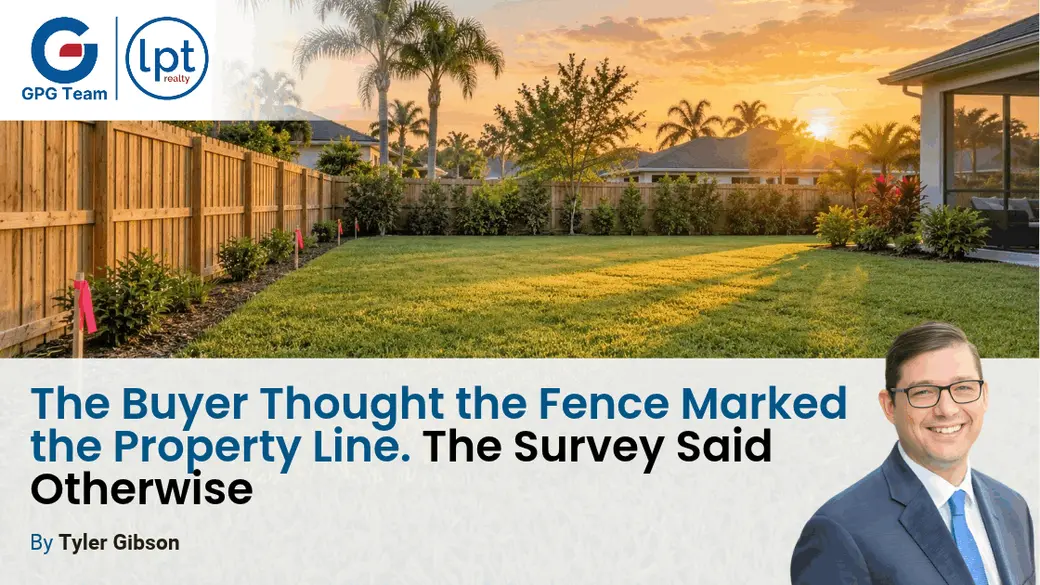
The Buyer Thought the Fence Marked the Property Line. The Survey Said Otherwise
The backyard looked simple. There was a six-foot privacy fence, a storage shed tucked into the corner, and plenty of room where the buyer hoped to add a pool later. During the showing, everything inside the fence naturally felt like part of the property.
Then the survey arrived.
The fence was not sitting on the property line. Part of it extended onto the neighboring lot, the shed was closer to the boundary than expected, and a utility easement ran through an area the buyer planned to use for future improvements.
Nothing about the backyard had physically changed. What changed was the buyer's understanding of what they were actually purchasing.
I’m Tyler Gibson with the GPG Team, and this is one of the reasons I tell buyers in Orlando and Central Florida not to assume that a fence, hedge, driveway, or row of trees tells you exactly where a property ends.
Sometimes the survey tells a very different story.
A Fence Is Not Automatically the Property Line
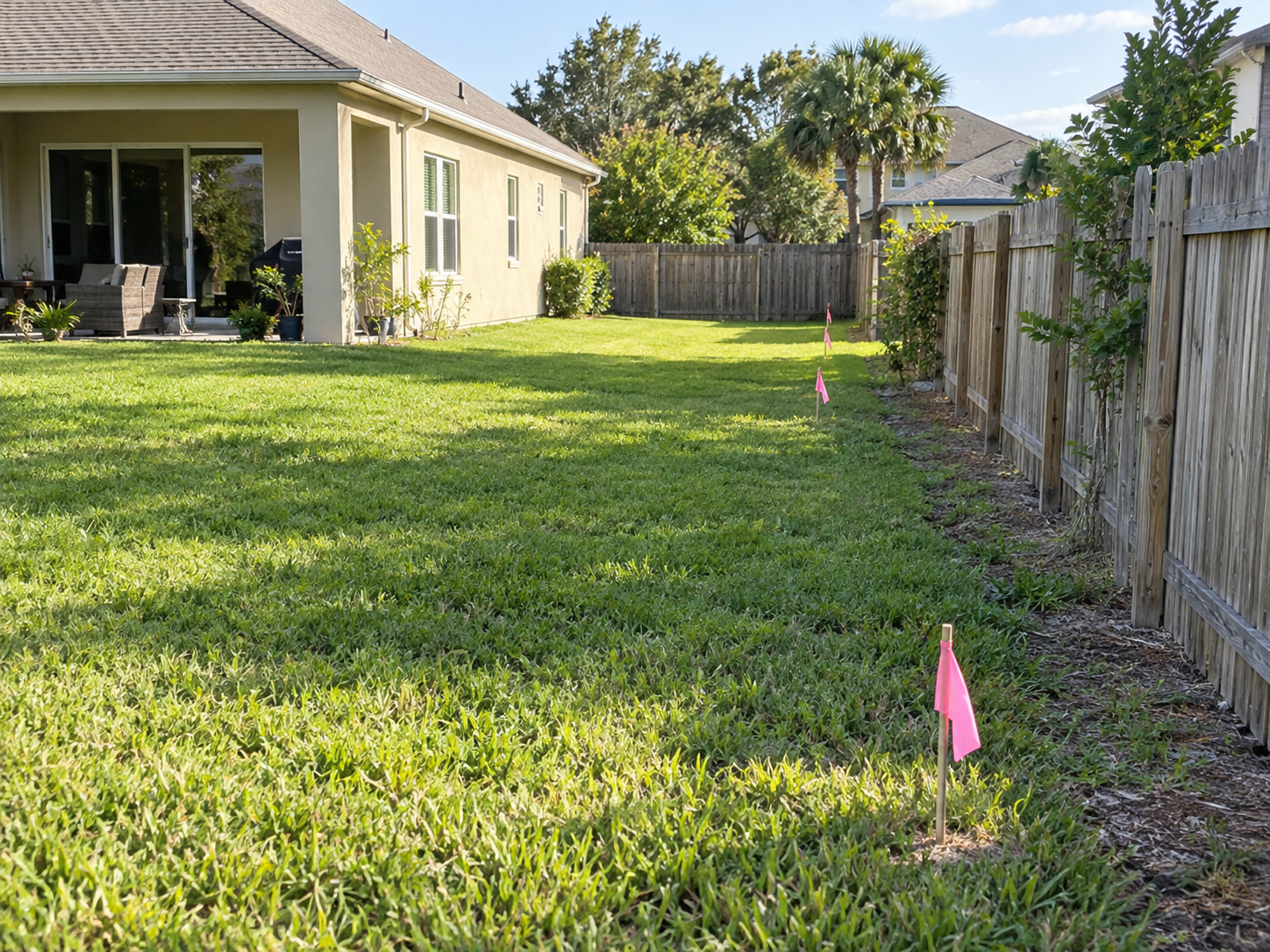
A fence can feel like an obvious boundary because that is how people use it every day. One homeowner maintains one side, the neighbor maintains the other, and after enough time everyone starts treating the fence as the dividing line between the properties.
But the legal boundary of a property comes from its legal description and surveying evidence, not simply from where someone decided to install a fence. Florida law defines professional surveying to include locating or reestablishing property boundaries and determining the legal location of real property under the state's surveying and mapping statutes.
That is why I would not tell a buyer, “The yard goes to that fence,” unless we actually have information supporting it.
A fence may have been intentionally installed inside the owner's property. It may have followed landscaping instead of the actual boundary. Someone may have replaced an older fence in a slightly different location, or an owner years ago may simply have been wrong about where the line was.
The difference might be only a few inches. In other cases, it could be several feet.
Those feet can matter when a shed, driveway, pool, patio, addition, or future construction is involved.
What a Boundary Survey Can Show You
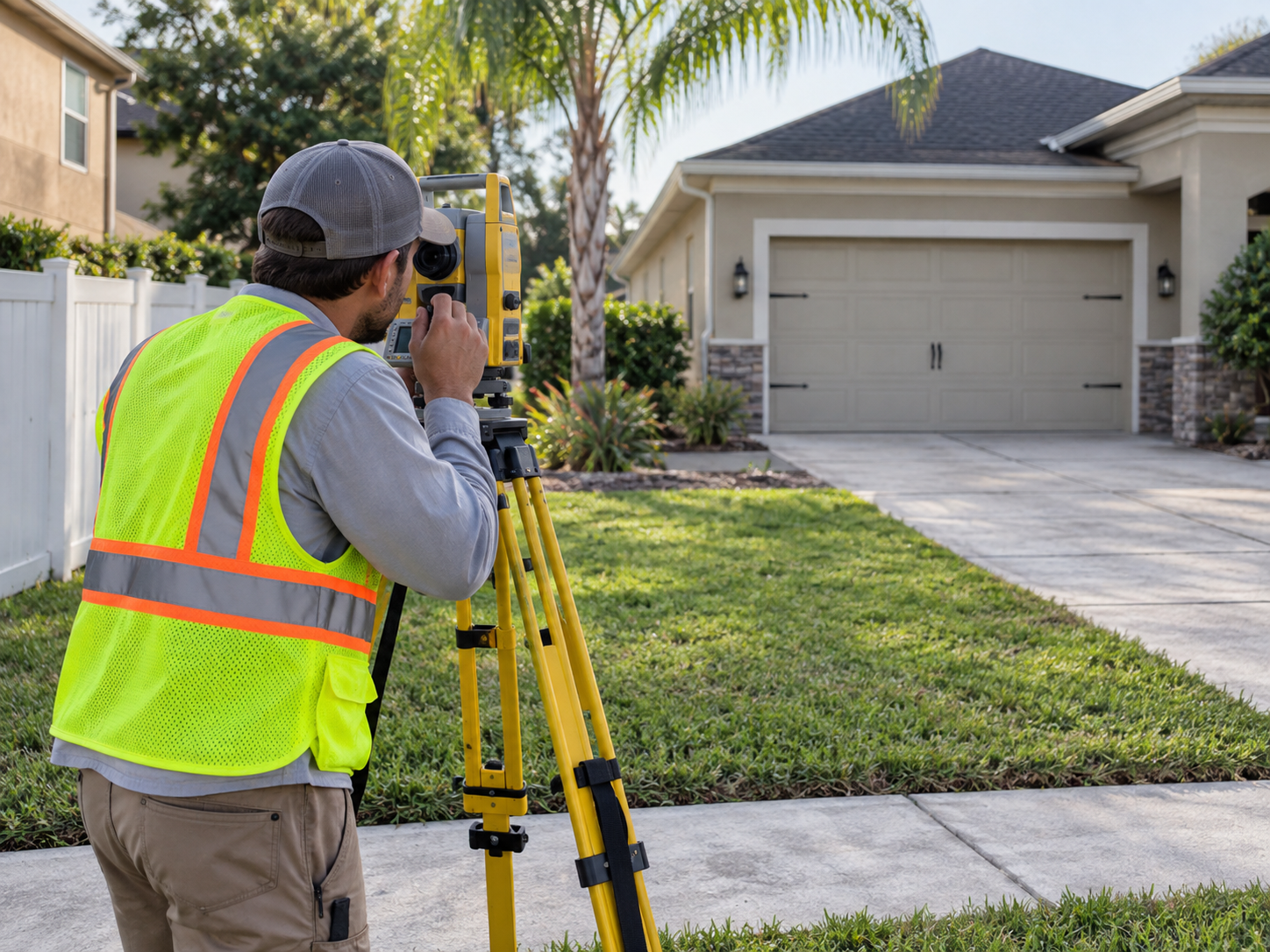
A boundary survey can tell you much more than the general shape of the lot.
Florida has professional standards governing how boundary surveys are prepared, including requirements found in the state's standards of practice for surveying and mapping. Depending on the property and type of survey, the drawing may show the boundaries along with improvements and other features that affect how the land is being used.
For a buyer, this is where the survey becomes especially useful.
The house itself may sit comfortably inside the property lines while a fence crosses the boundary. A detached shed may be closer to the lot line than expected. Part of a driveway could extend onto neighboring property, or a neighbor's improvement could cross onto the property being purchased.
The survey may also reveal easements that were not obvious while walking through the yard.
These discoveries do not automatically mean the house is a bad purchase. They mean you have new information that should be understood before closing.
Do Not Use an Online Parcel Map as a Substitute for a Survey
This distinction is especially important for Orlando buyers.
You can search a property through the Orange County Property Appraiser's parcel map and see parcel lines displayed over aerial imagery. That can be helpful when you are researching a home and trying to understand the general shape of a lot.
It is not a substitute for a boundary survey.
The Orange County Property Appraiser specifically notes that its mapping is intended for appraisal and planning purposes rather than as an authoritative legal boundary determination.
In other words, I would not zoom into an online parcel map and use the line on the screen to decide whether a fence, shed, driveway, tree, or pool belongs to one property or another.
The parcel map can help you identify questions.
A survey is what helps you answer the boundary question.
What Happens When the Fence Is on the Wrong Side?
Suppose the survey shows that part of the seller's fence actually sits on the neighbor's property.
The first step is not to panic or immediately confront the neighbor. The first step is to understand exactly what the survey shows.
How far does the fence cross the line? Is it only one section or the entire fence? Does another structure cross the boundary too? Is there any known agreement between the owners? Does the title company need additional documentation before closing?
These details matter because a boundary situation can move beyond a simple survey issue and become a title or legal question.
The Florida Department of Financial Services explains in its title insurance consumer guidance that encroachments can occur when an improvement belonging to one property extends onto another, with fences and sheds among the examples buyers may encounter.
The survey tells you what appears to be happening physically. It does not necessarily resolve every ownership or legal question created by that condition.
If there is an actual disagreement over ownership or use of the property, the buyer may need guidance from the surveyor, title professional, or a Florida real estate attorney.
Orlando's Fence Rules Make the Survey Even More Important
For homes inside the City of Orlando, the location of a fence is not just a neighbor-to-neighbor issue.
The city's residential fence guidance explains local requirements involving property lines, easements, and permitting. The city also requires site plans used for certain fence permits to identify features such as property lines, dimensions, easements, structures, streets, driveways, patios, decks, and setbacks.
That shows why a survey can become useful even when the fence itself seems straightforward.
A buyer might discover that the existing fence actually sits several feet inside the seller's property. That means the lot extends farther than the fenced yard suggests.
Another buyer may discover the opposite. The fence may extend beyond the boundary onto neighboring land.
Either way, the visual boundary you saw during the showing was not necessarily the actual property boundary.
The Shed in the Corner Can Create Another Question
Now imagine the fence is only slightly misplaced, but a large storage shed is sitting beside it.
That can turn one survey question into several.
Is the shed completely inside the property boundary? Does its location meet applicable setbacks? Was permitting required? Is it sitting within an easement?
For properties within the City of Orlando, the city's residential permitting requirements illustrate why structure placement matters. Site plans for certain improvements need to show where the structure sits in relation to side and rear property lines.
This is why I do not want a buyer to look at a backyard and think only, “Great, the shed stays.”
I want to understand whether that structure is where it is supposed to be.
The same mindset applies to detached garages, pool decks, patios, outdoor kitchens, additions, and other improvements close to the edge of the lot.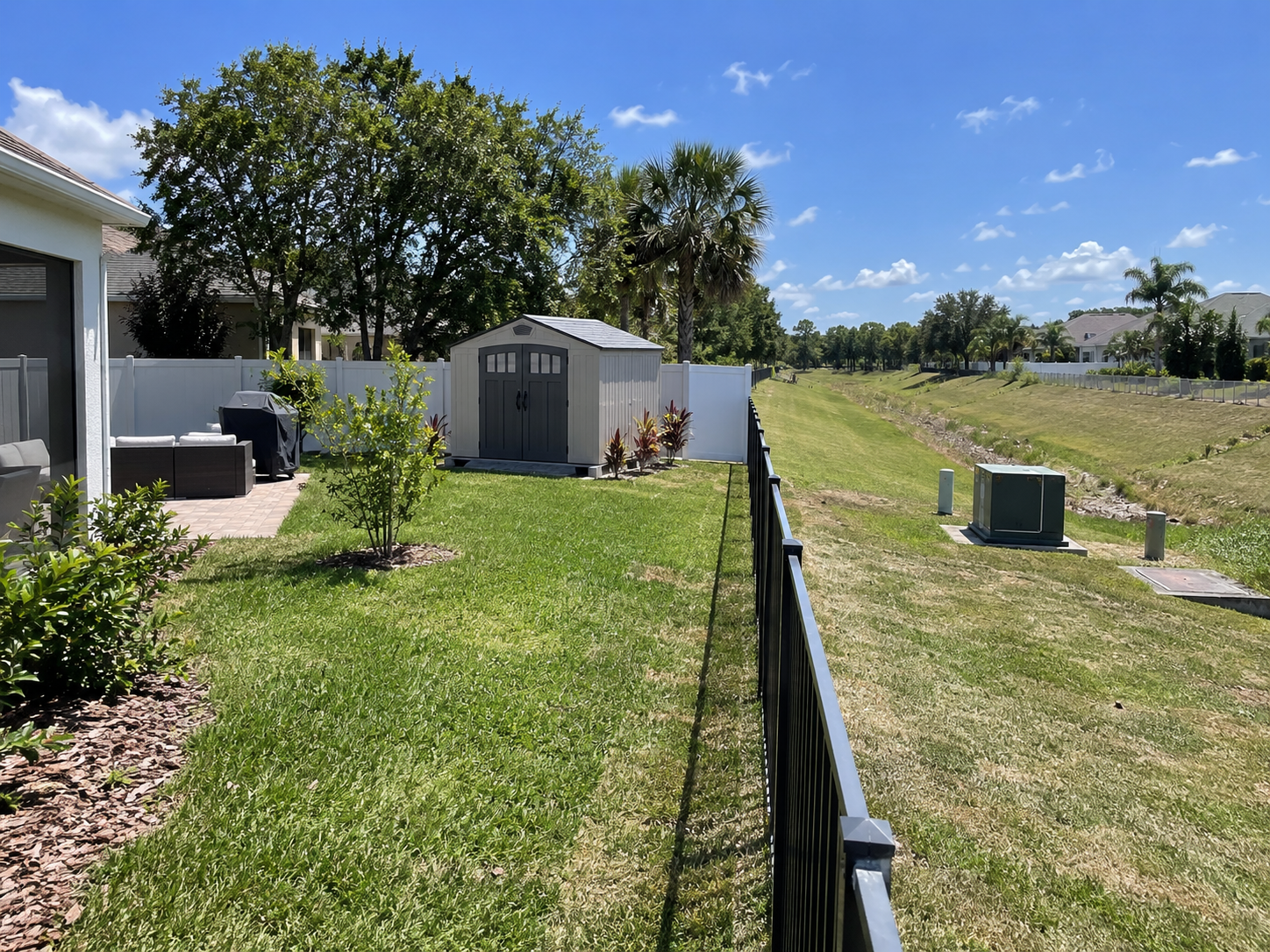
An Easement Is Different From an Encroachment
Another surprise can happen when an improvement is completely inside the buyer's property line but still sits within an easement.
Those are different issues.
You may own the land while another party has certain rights affecting how part of it can be used.
Orange County's Easement Acknowledgement Form provides a useful local example. It explains that when a fence or structure is placed within certain easements, the property owner may ultimately be responsible for removing or relocating the improvement if access is needed.
That can matter a lot if you are buying the property because of what you plan to do with the backyard.
Maybe you want to install a pool. Maybe you want to expand the patio or build a detached structure.
The yard may physically have enough space, while a drainage or utility easement affects how much of that space you can actually use.
The backyard did not suddenly become smaller.
Your understanding of the usable space changed.
Title Research and a Survey Do Different Jobs
Buyers sometimes assume that if the title work comes back clean, there cannot be a boundary issue.
That is too simple.
Title research focuses heavily on recorded ownership interests, liens, easements, and other matters affecting title. The survey provides information about what is physically happening on the property and how improvements relate to the boundaries.
Sometimes you need both to understand the full picture.
The Florida Bar has discussed how some potential easement situations can require looking beyond the standard title chain and considering physical property conditions, survey evidence, and the history of use. Its discussion of prescriptive easements in Florida illustrates why longstanding physical use of property can occasionally raise more complicated legal questions.
That does not mean every misplaced fence or shared driveway creates a legal ownership claim.
It means you should not treat title work and survey work as if they answer exactly the same questions.
If something unusual appears, ask the title professional handling the transaction how it affects the purchase instead of assuming it is automatically covered or irrelevant.
What Should a Buyer Do When the Survey Shows a Problem?
The biggest mistake is ignoring the issue because it does not look serious.
If the survey identifies an encroachment, unexpected easement, questionable structure location, or boundary discrepancy, slow down long enough to understand it before closing.
Start with the surveyor when you need clarification about what the drawing actually shows. If the issue affects title, easement rights, or ownership, involve the title or closing professional. When there is a genuine legal disagreement between property owners, a Florida real estate attorney may need to advise the parties.
Most importantly, think about the issue in the context of how you intend to use the property.
A fence sitting one foot inside the seller's property may not concern a buyer who has no intention of changing the yard. The same discovery could matter considerably to someone who plans to install a pool, build a detached structure, expand a driveway, or use every available foot of the lot.
The survey is not just another piece of closing paperwork.
It can change what you think you are buying.
Sellers Should Pay Attention Too
This is not only a buyer issue.
If you are preparing to sell an Orlando home and you already know there has been confusion about a fence, shared driveway, shed, easement, or property line, understanding the issue before a buyer's survey arrives can make the transaction much easier.
A buyer discovering something unexpected days before closing creates pressure for everyone involved.
Understanding it before listing gives the seller, title company, surveyor, and other professionals more time to determine what actually happened and whether anything needs to be addressed.
A fence may have been in the same location for 15 years. A shed may have been there even longer. The neighbors may never have complained.
None of those facts by themselves tell you exactly where the legal boundary is.
The survey may be the first time anyone compares how the property is being used with where the property actually ends.
Frequently Asked Questions About Property Lines and Surveys in Orlando
Does a fence determine the property line in Florida?
No, you should not assume a fence establishes the legal property line. A licensed surveyor can locate the boundary using the property's legal description, surveying evidence, measurements, and applicable professional standards.
Can a survey show that my neighbor's fence is on my property?
Yes, a boundary survey can show the location of visible improvements relative to the property boundary. If a fence appears to cross the line, the surveyor can explain what the drawing shows, while legal or title questions may require additional professional guidance.
Are Orange County Property Appraiser parcel lines accurate enough to locate my fence?
No, the online parcel map should not be treated as a legal survey. It is useful for preliminary property research, but buyers should rely on appropriate surveying information when the exact location of a boundary matters.
What happens if a shed crosses the property line?
It depends on the specific circumstances, so the issue should be investigated before closing. The buyer may need clarification from the surveyor and guidance from the title professional or a Florida real estate attorney about how the encroachment should be addressed.
Can I build on an easement if I own the land?
Owning the land does not necessarily mean you can build freely within an easement. Easement rights can affect improvements and access, so review the survey, recorded easement, and local permitting requirements before planning construction.
Should I get a survey when buying a home in Orlando?
A survey can reveal information that is difficult to learn from the listing, showing, or online parcel map. It can help identify boundaries, easements, and how fences, sheds, driveways, patios, and neighboring improvements relate to the property.
Buying a Home in Orlando?
A fence can make a property feel clearly defined, but what you see in the backyard and what the survey shows are not always the same thing.
If you're buying a home in Orlando or anywhere in Central Florida, I can help you look beyond the listing, identify the questions that need to be answered during due diligence, and coordinate with the right professionals when something unexpected appears.
The goal is not just to know what house you are buying.
It is to understand the property that comes with it.
Categories
Recent Posts








“Making real estate simple, fun and profitable! ”