
The Real Cost of Owning a Home in Orlando: 5 Expenses Buyers Should Plan For

The Real Cost of Owning a Home in Orlando: 5 Expenses Buyers Should Plan For
When buyers start figuring out what they can afford, the conversation usually begins with the purchase price and the mortgage payment.
A $400,000 home might look affordable based on the estimated principal and interest. But that number does not tell you what it will actually cost to own the property every month.
Property taxes can change after the sale. Homeowners insurance can vary significantly from one property to another. HOA fees, assessments, maintenance, and closing costs can all affect the budget before and after you receive the keys.
That is why I would rather look at the full cost of ownership than simply ask, “What mortgage payment can I qualify for?”
I’m Tyler Gibson with the GPG Team, and if you are buying a home in Orlando or Central Florida, here are five expenses I would work into the numbers before making an offer.
1. Closing Costs and the Cash You Need at Closing

The down payment is not the only cash you may need to purchase a home.
Closing costs can include lender charges, appraisal expenses, title-related costs, recording fees, prepaid interest, homeowners insurance, and money collected to establish an escrow account. The exact amount depends on the loan, purchase price, lender, property, and transaction.
The Consumer Financial Protection Bureau suggests using roughly 2% to 5% of the purchase price as an early planning estimate for closing costs. On a $400,000 purchase, that would be roughly $8,000 to $20,000, but the actual number can be higher or lower depending on the transaction. You can find more information about estimating these expenses through the Consumer Financial Protection Bureau’s home-buying guidance.
Your Loan Estimate is one of the most useful documents for understanding these expenses. It shows your estimated loan costs, taxes, insurance, prepaid items, and estimated cash to close. The CFPB also has a useful Loan Estimate explainer that breaks down what each section means.
This is why I do not like seeing buyers put every available dollar toward the down payment. If you have $40,000 saved, that does not necessarily mean all $40,000 should go toward getting into the house. You still have closing expenses, moving costs, potential repairs, and the need for some cash left over after closing.
The goal is not just to get through closing. You still need to comfortably own the home the next day.
2. Florida Property Taxes Can Change After the Sale
This is one of the biggest budgeting mistakes I see buyers make in Florida.
They find the seller’s current tax bill online and assume that is roughly what they will pay after buying the property.
It may not be.
Florida’s Save Our Homes benefit limits increases in the assessed value of qualifying homestead property after the benefit has been established. If someone has owned and homesteaded a home for many years, that can create a significant difference between the home’s current market value and the value being used for taxation.
When ownership changes, the previous owner’s exemptions and Save Our Homes benefit do not simply transfer with the house. The Florida Department of Revenue explains that the property is reassessed so the assessed value equals its just value on January 1 following the change in ownership. Their property tax guide for first-time Florida buyers is worth reviewing before relying on the seller’s current bill.
That does not mean your assessed value will automatically equal the exact amount you paid for the house. Florida property appraisers determine just value using applicable valuation standards. But the important point is that the seller’s lower assessed value may disappear after the sale.
For buyers looking in Orange County, the Orange County Property Appraiser provides a tax estimator that can give you a better starting point than simply copying the previous owner’s taxes into your budget.
If you are making the property your primary residence, you should also research Florida’s homestead exemption and whether you qualify for portability from another Florida homestead.
The number I want buyers budgeting around is what the property may cost after they own it, not what the previous owner happened to pay.
3. Homeowners Insurance Needs to Be Part of the Decision
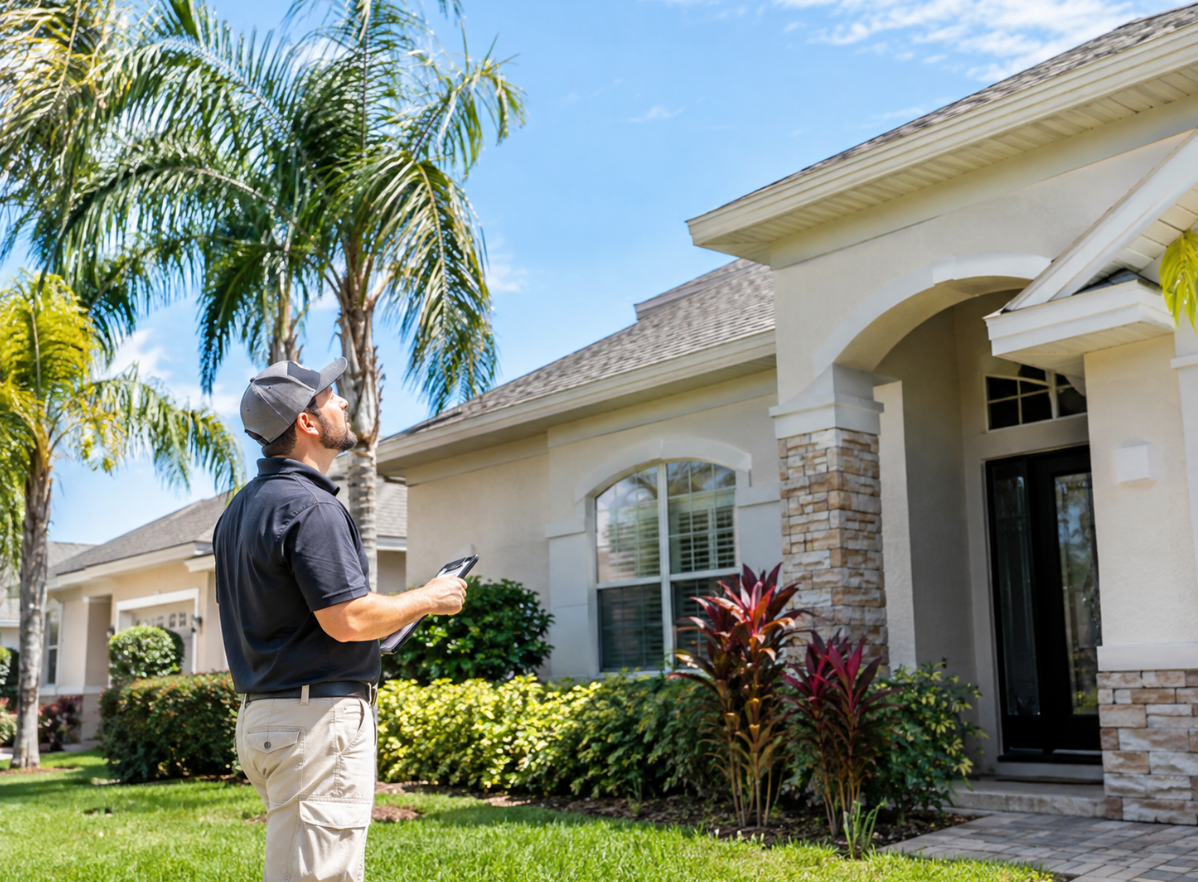
Homeowners insurance deserves attention early in the process, especially in Florida.
Two homes can sell for the same price and still have very different insurance costs. The age of the roof, plumbing, electrical system, HVAC equipment, property condition, location, wind mitigation features, and other characteristics can all affect coverage and pricing.
According to the Florida Department of Financial Services, insurers can consider the age and condition of major systems when deciding whether to insure a property and what the policy will cost. Older homes may also require additional inspections, such as a four-point inspection focusing on the roof, electrical, plumbing, and HVAC systems.
This is one reason I do not judge a house solely by how renovated it looks.
A remodeled kitchen, fresh flooring, and new paint might make the home show well, but they do not tell you the condition of the electrical panel, plumbing, roof, or HVAC system. Those items may matter much more when you start getting insurance quotes.
Flood insurance is another separate consideration. A standard homeowners policy generally does not provide the same coverage as a separate flood policy. Depending on the property and financing, flood insurance may be required, and buyers outside a high-risk flood zone may still choose to carry it.
FEMA’s FloodSmart insurance information explains when coverage may be required and why homeowners outside higher-risk areas may still consider it.
The practical takeaway is simple: get an insurance professional involved early enough that you can use a realistic number in your budget.
Do not wait until you are days away from closing to discover that the home costs substantially more to insure than you expected.
4. HOA, Condo, CDD, and Other Community Expenses
The list price does not tell you everything about the cost of living in a community.
A buyer might compare two $450,000 homes and assume the monthly expenses should be relatively similar. But one property may have no HOA while another has monthly association dues, additional community assessments, or charges appearing on the property-tax bill.
Florida allows local governments and special districts to levy certain non-ad valorem assessments for services or improvements. These charges may fund things like drainage, lighting, roads, or other services and are generally calculated differently from normal property taxes. The Florida Department of Revenue provides more information about how these assessments work.
That is why I want buyers to review the entire property-tax bill instead of stopping at the ad valorem property-tax amount.
Condominiums require another level of attention because you are not only buying the unit. You are also becoming financially connected to the association.
Monthly condo dues may cover building insurance, exterior maintenance, landscaping, amenities, reserves, or other shared expenses. What they cover varies by association, and the monthly fee alone does not tell you whether the association is financially healthy.
Florida has also strengthened reserve requirements for certain condominium associations. Under applicable circumstances, major capital expenses can be funded through reserves, regular assessments, special assessments, loans, or other association funding methods. Buyers considering a condo should review the budget, reserve information, meeting minutes, existing special assessments, and any large projects being discussed. The applicable requirements can be reviewed in the Florida Condominium Act.
HOA buyers should take a similar approach. Understand the monthly or annual dues, what those dues cover, whether any assessments have been approved, and whether the community has restrictions that could affect how you intend to use the property.
A $150 monthly HOA fee may not change your decision. But it still belongs in the budget.
5. Maintenance Does Not Show Up in the Mortgage Calculator
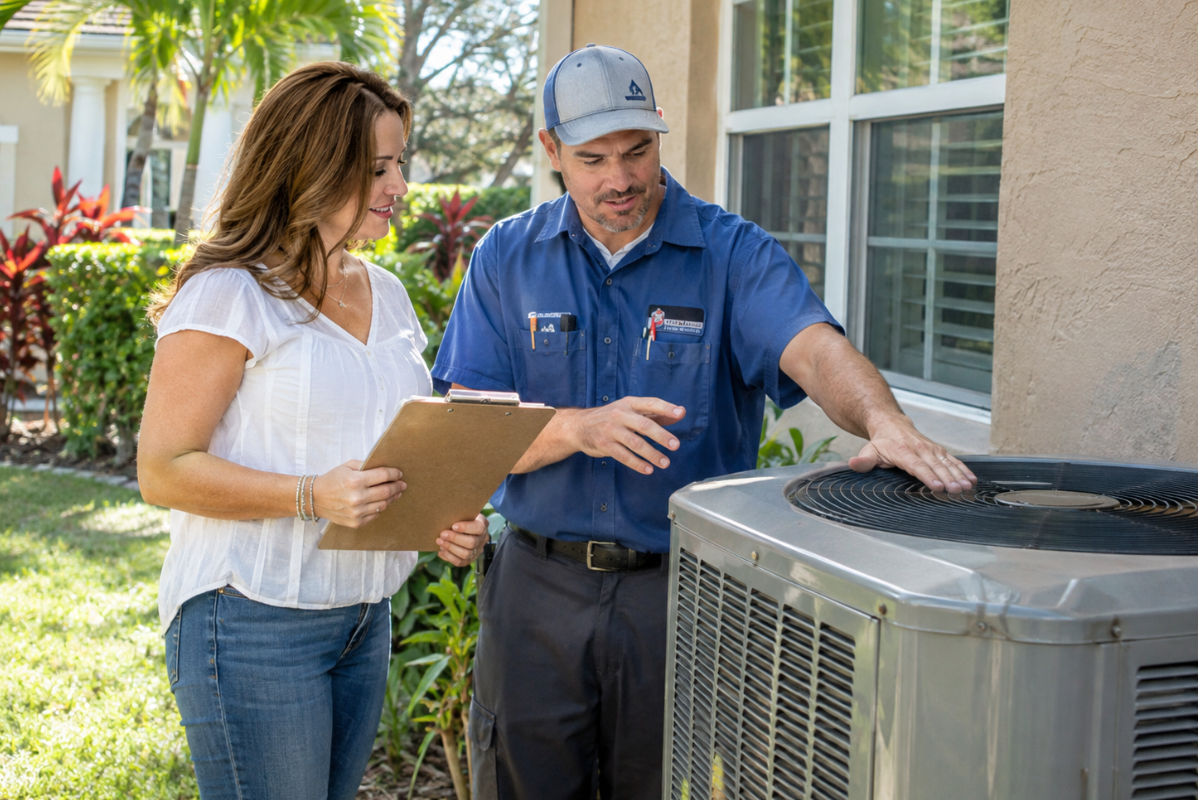
Maintenance is probably the easiest ownership expense to ignore because no one sends you a predictable monthly maintenance bill.
Instead, expenses arrive at different times.
The air conditioner needs work. A water heater fails. A pool pump stops running. A tree needs to be removed. An appliance dies. The roof eventually reaches the point where it needs replacement.
There is no perfect percentage that tells every homeowner how much to save because the property itself matters.
A newer Central Florida home with recently installed major systems may have a very different maintenance profile from an older Orlando home with mature trees, an aging HVAC system, older plumbing, and a roof that has already seen years of Florida weather.
Pools, larger yards, older appliances, landscaping, irrigation systems, septic systems, and other property features can add additional maintenance responsibilities.
This is where the inspection can be useful beyond negotiating repairs with the seller. It can help you understand what you may need to budget for over the next several years.
For example, an inspector may not say the HVAC system needs immediate replacement, but they may tell you it is older and showing signs of wear. That information matters because an expensive replacement that happens two years after closing is still part of the ownership cost.
A recent Zillow and Thumbtack analysis estimated that maintenance, property taxes, and insurance together represent a significant additional expense for homeowners beyond principal and interest. Their 2026 hidden homeownership cost analysis found maintenance to be the largest hidden ownership cost among the major markets studied.
That is why I prefer buyers to keep some money available after closing.
You do not need to assume something expensive will immediately go wrong. But homeownership becomes much easier when an unexpected repair does not turn into a financial emergency.
Escrow Can Change Even When Your Mortgage Rate Does Not
One thing worth understanding is the difference between your mortgage rate and your total monthly payment.
If you have a fixed-rate mortgage, your principal and interest payment may remain consistent. But if your property taxes or homeowners insurance increase, the escrow portion of your mortgage payment can change.
Your servicer generally estimates how much it needs to collect for taxes and insurance. If those expenses rise and the escrow account develops a shortage, your required monthly payment can increase even though your mortgage interest rate never changed.
This is another reason the initial payment shown when you purchase the home should not automatically be treated as a number that will never move.
Two Homes at the Same Price Can Have Very Different Costs
Consider two Orlando homes listed at $400,000.
The first has relatively manageable homeowners insurance, no HOA, newer major systems, and a tax estimate that fits comfortably within the buyer’s budget. The second is also $400,000, but it has higher insurance, a monthly association fee, additional assessments on the tax bill, an older HVAC system, and a roof that may need attention in the next several years.
The purchase price is identical, but the cost of owning those homes could be very different.
That is why the maximum price a lender says you can qualify for is only one part of the conversation. Qualification tells you what you may be able to borrow. It does not necessarily tell you what will feel comfortable once taxes, insurance, maintenance, HOA expenses, utilities, and unexpected repairs are included.
The least expensive home to buy is not always the least expensive home to own.
Frequently Asked Questions
How much are closing costs when buying a home in Florida?
A reasonable early estimate is around 2% to 5% of the purchase price, excluding the down payment. Your actual amount depends on the financing, property, lender, insurance, prepaid items, and other transaction details.
Will my property taxes be the same as the seller’s?
Do not assume they will be. Florida property taxes can change after ownership transfers because the previous owner’s exemptions and Save Our Homes benefit may no longer apply.
Why can my mortgage payment increase after closing?
Even with a fixed-rate mortgage, the escrow portion of your payment can change if property taxes or homeowners insurance increase. An escrow shortage can also temporarily increase the amount your servicer collects.
Are HOA and CDD fees included in the mortgage payment?
Not always. HOA or condo dues are commonly paid separately, while some assessments may appear on the property-tax bill. Verify how every charge for the property is collected.
How much should I save for maintenance?
There is no universal number that works for every property. Look at the age and condition of the roof, HVAC, plumbing, electrical systems, appliances, pool, landscaping, and other major components when deciding how much reserve you need.
Should I get an insurance quote before buying a Florida home?
Yes, I would get an estimate early. Insurance eligibility and pricing can vary substantially between properties, and knowing that number before closing gives you a much more accurate picture of your monthly ownership cost.
Buying a Home in Orlando or Central Florida
The mortgage payment matters, but it is only one part of the budget.
Before making an offer, understand what the property taxes may look like after the sale, get a realistic insurance estimate, review any HOA or condo expenses, look for additional assessments, and think about the condition of the major systems you will eventually be responsible for maintaining.
The goal is not simply to qualify for the home.
It is to comfortably own it after you get the keys.
If you are planning to buy in Orlando or Central Florida, I can help you look beyond the list price and understand the questions worth answering before you make an offer.
Categories
Recent Posts









“Making real estate simple, fun and profitable! ”